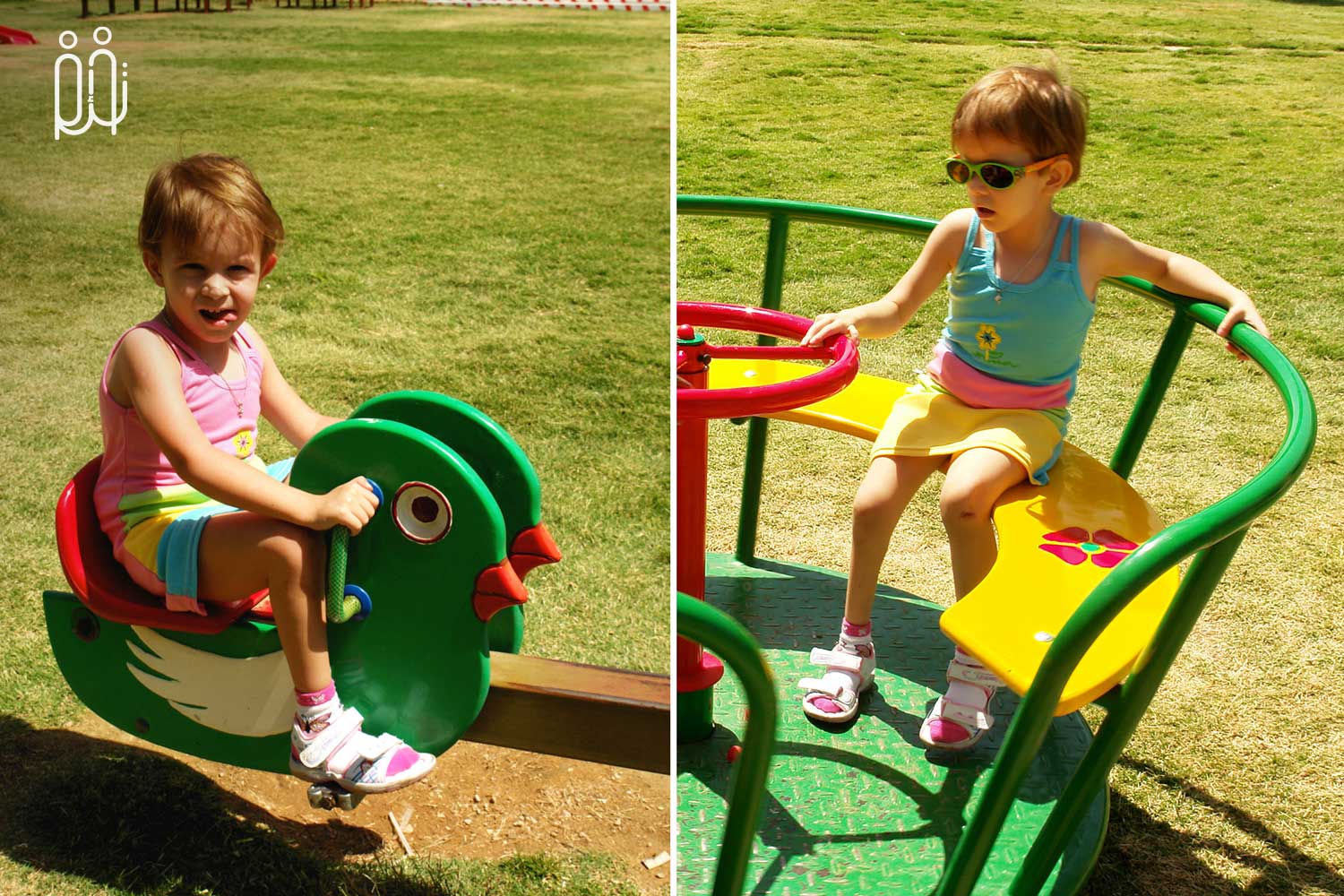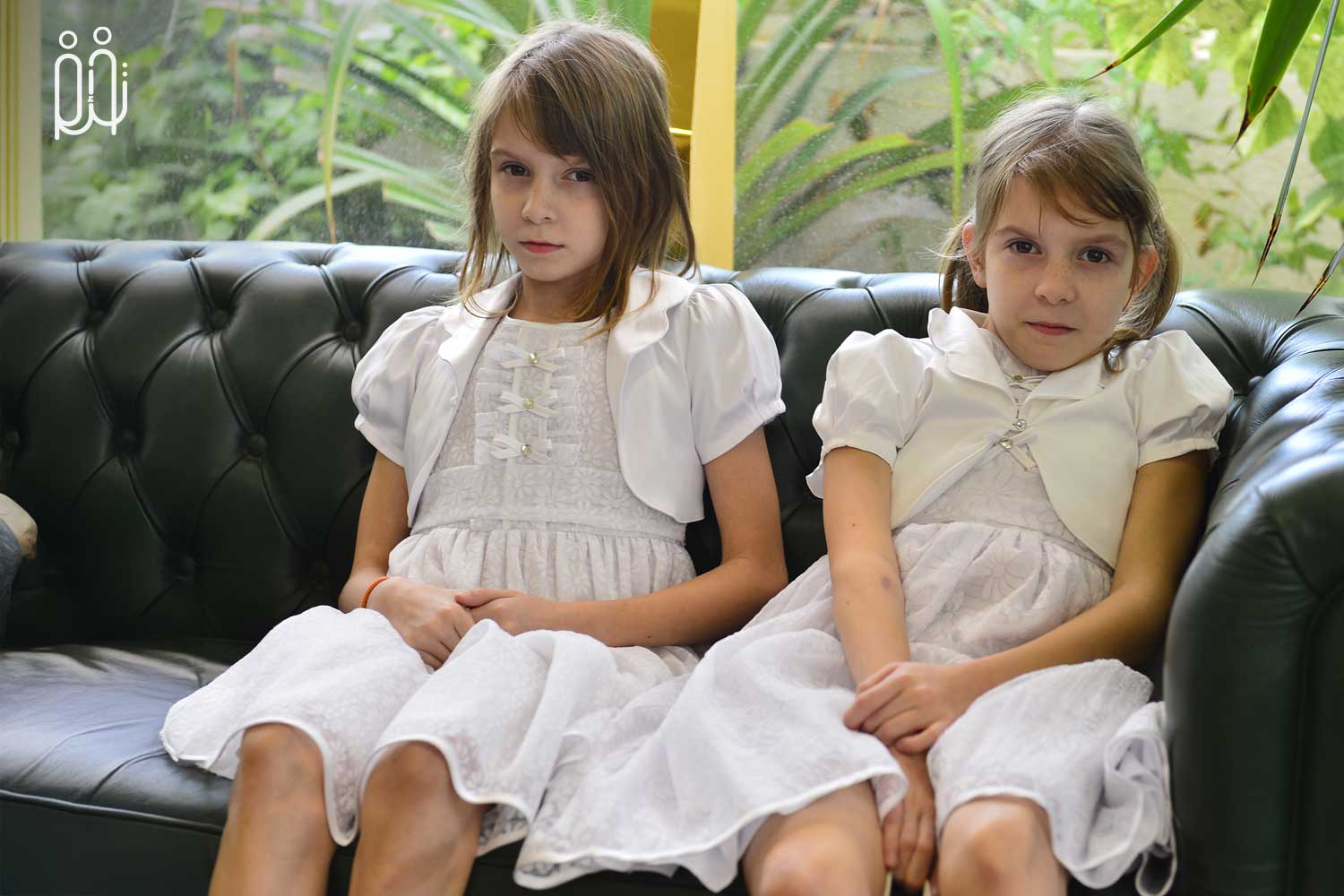

Polish Conjoined Twins Olga and Daria
Polish Conjoined Twins Daria and Olga Kolacz
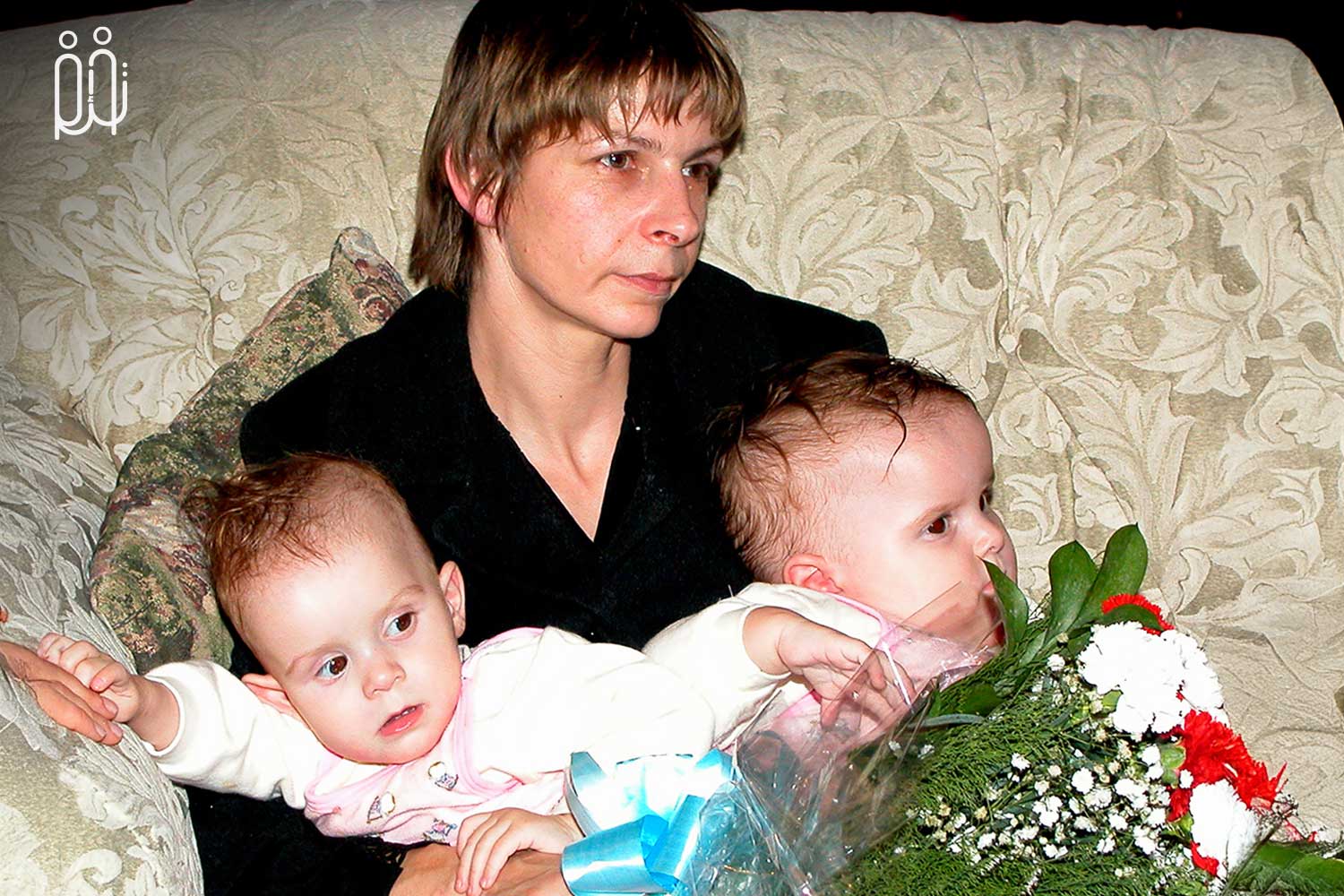
In early 2003, Wieslawa Dabrowska, was delighted to learn that she was expecting her first child. When she discovered that she was carrying twin girls, she was happy, but also anxious about the daunting prospect of caring for not just one, but two babies.
Because her doctors had some concerns about her pregnancy, they sent Wieslawa to a specialized medical centre for evaluation and she was shocked to discover that the babies were conjoined. Because this condition is so rare, the doctors were not able to reassure her about the twins’ prognosis after birth. And as Wieslawa soon found out, the specialized care needed to help her daughters would certainly cost much more than her family could afford.
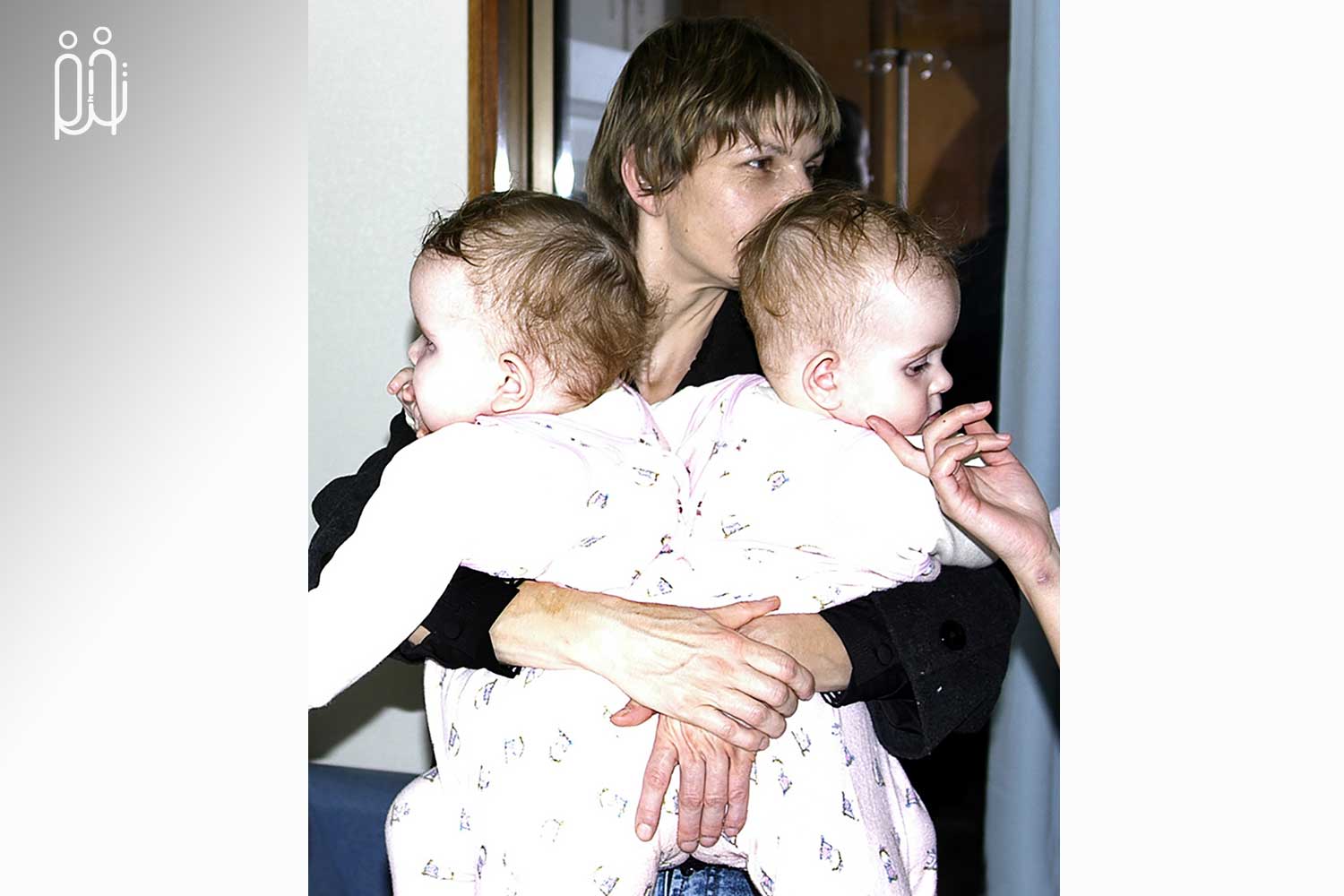
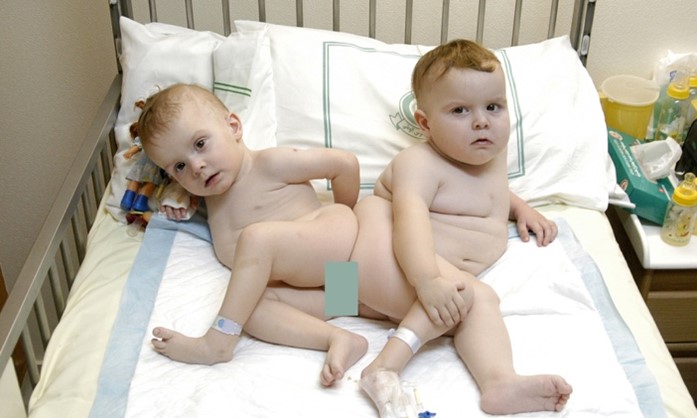
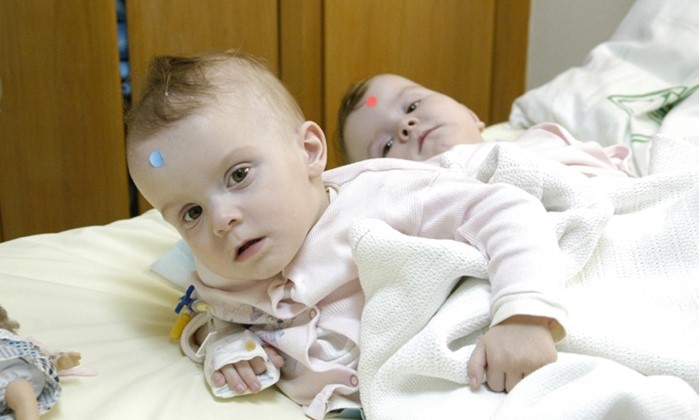
On 8 October 2003, conjoined twins Olga and Daria were delivered by caesarian section, joined at the pelvis and buttocks – a type of conjoining known as “pygopagus tetrapus”. After the birth, Wieslawa spent many sleepless nights worrying about how she could obtain the medical care her infant daughters needed. Wieslawa and her uncle, Robert Kasznia, appealed internationally for help.
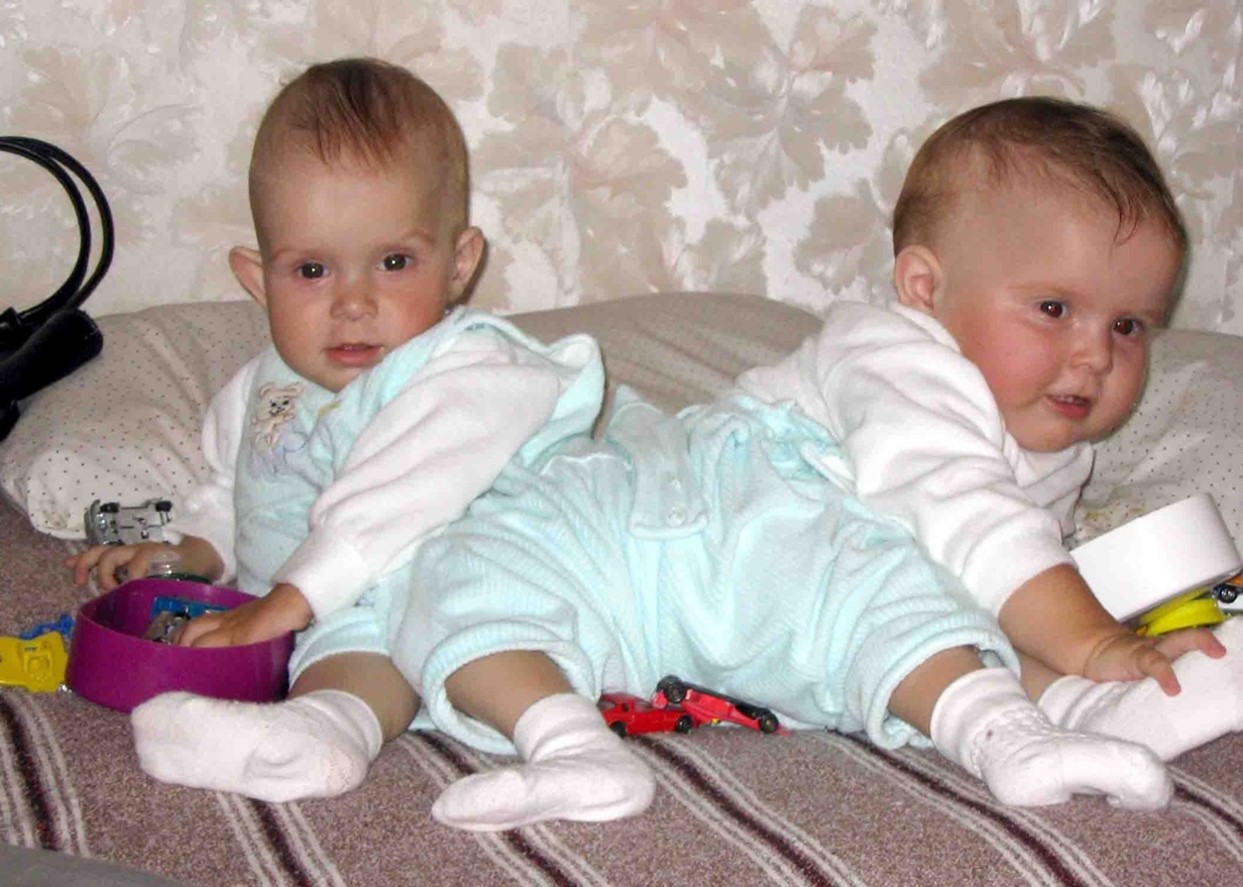
One day, her cousin in the United States informed her that news about her daughters had reached the leadership of the Kingdom of Saudi Arabia, where a program for separating conjoined twins already existed. Directives were immediately issued by the Kingdom’s leadership for the babies and their mother to be transported from Poland to Riyadh, where the girls would be evaluated by the Saudi Conjoined Twins Programme team, Wieslawa was overjoyed to learn that her babies now had the opportunity to receive the specialized care they so urgently needed – and that all costs would be completely covered by the Saudi government.
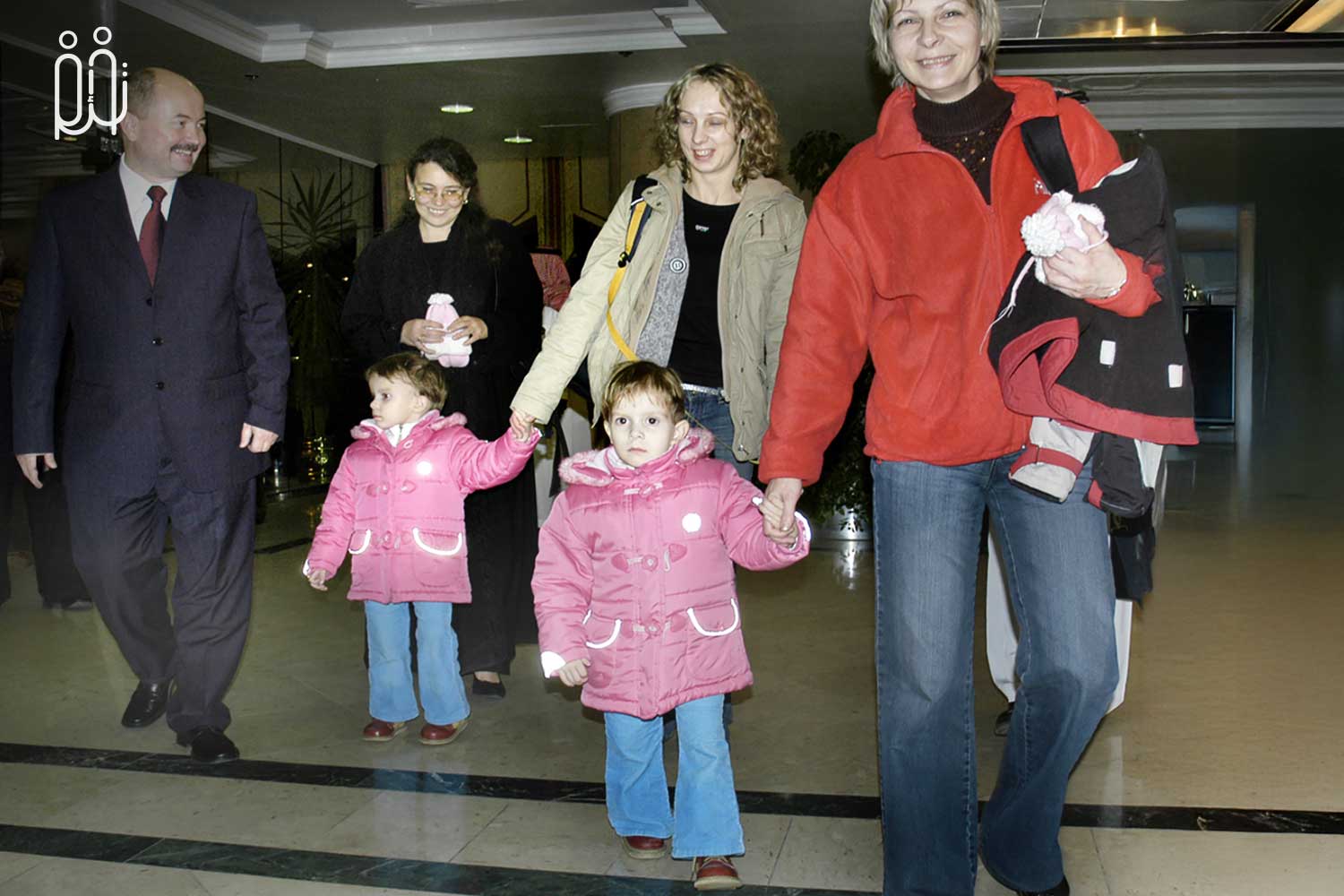
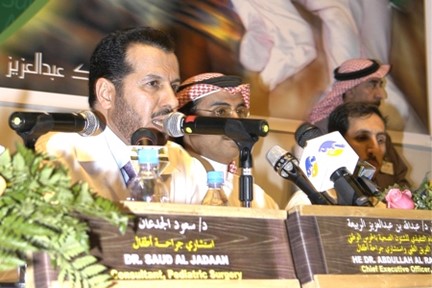
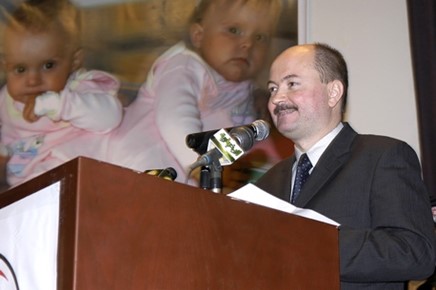
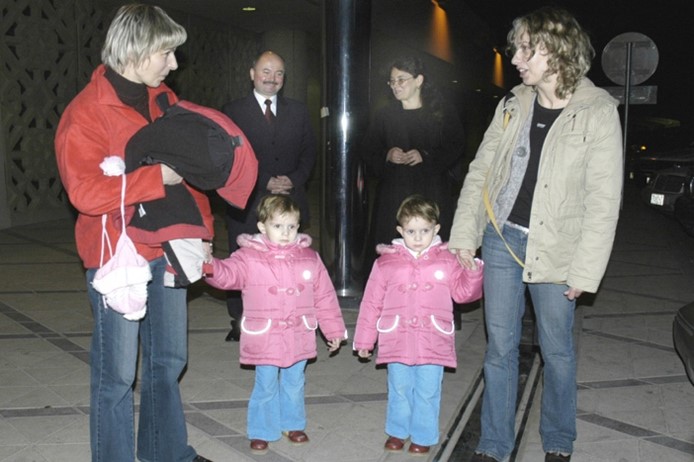
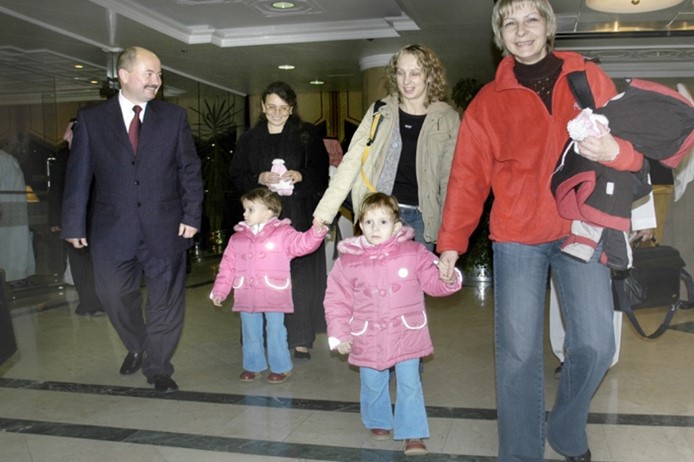
On 12 December 2004, at the age of 10 months, Olga, Daria, their mother, and Dr. Jolanta Zegarska – a Polish doctor assigned to help with translation – arrived at King Khalid International Airport in Riyadh. An ambulance took them directly to King Abdulaziz Medical City, National Guard-Heath Affairs. At the hospital, members of the multidisciplinary medical team were there to welcome them, along with Poland’s Ambassador to Saudi Arabia, HE Adam Kulach and members of the media.
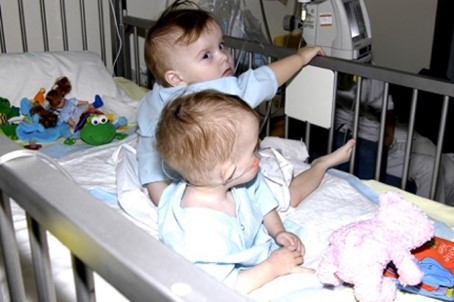
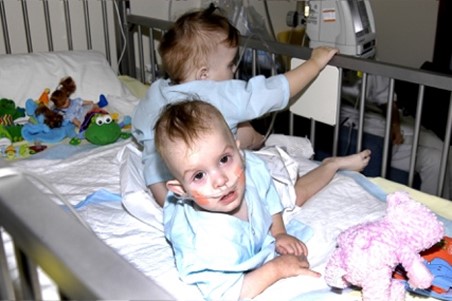
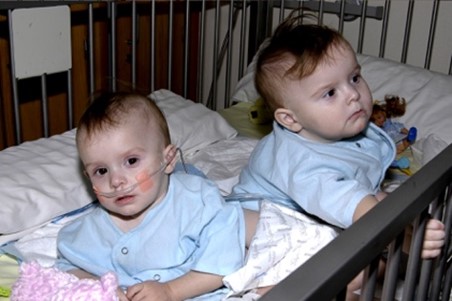
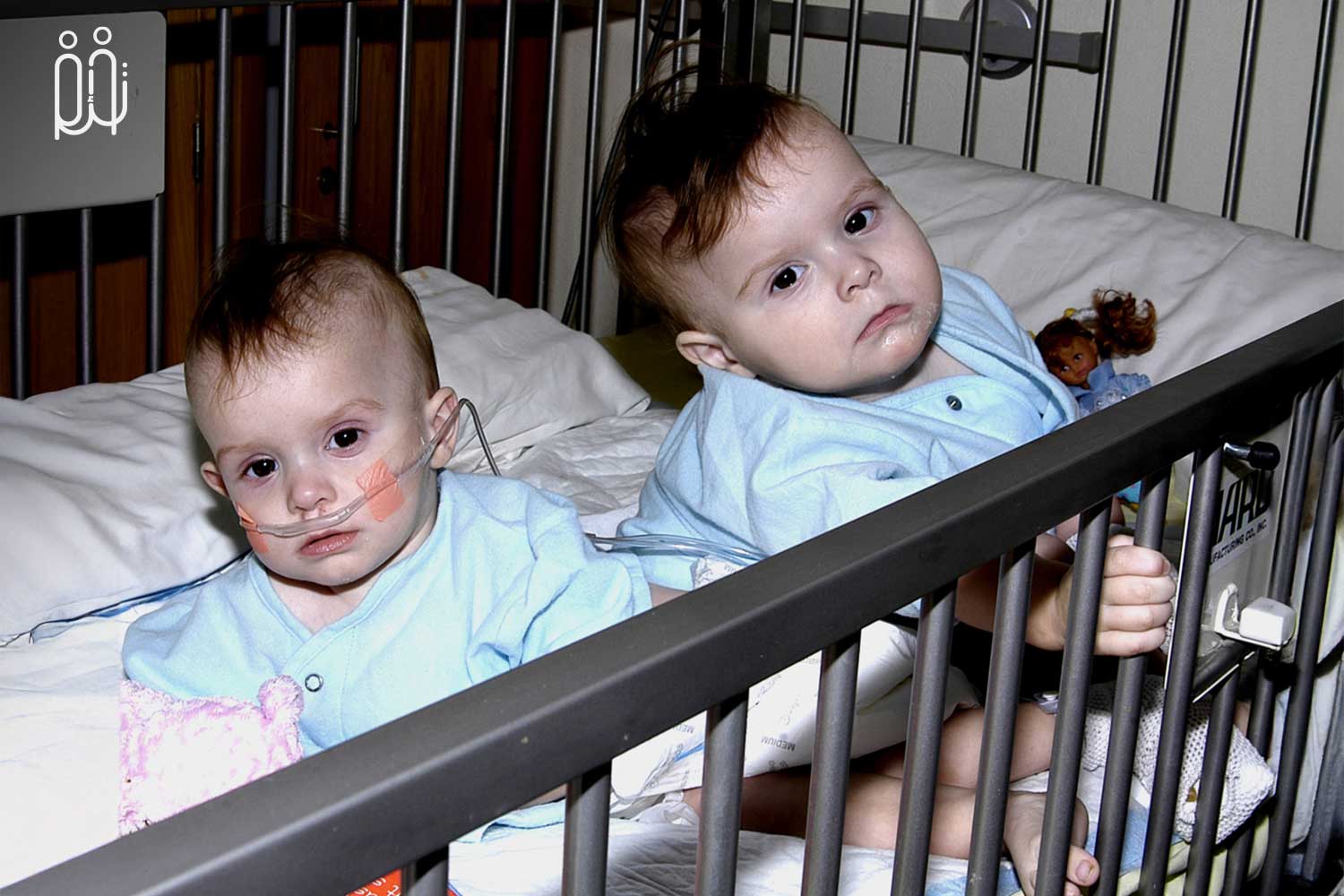
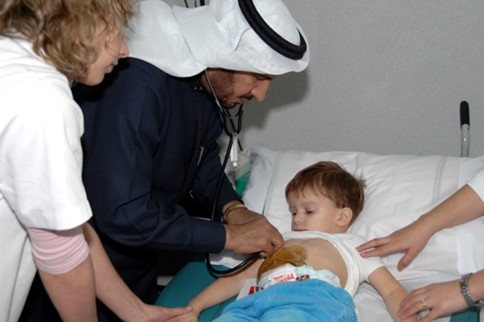
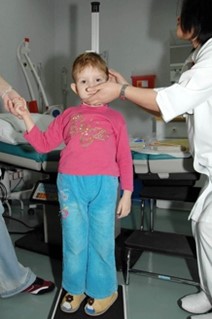
For the next two weeks, the medical team examined the twins to determine their suitability for surgical separation. They determined that the babies were conjoined at the abdomen, pelvis, buttocks and spine, shared a single anal canal and rectum, and that there was adherence in their lower urinary and genital systems. One twin had a complete urinary and genital system, while the other had a single abnormal kidney with a complete urinary and genital system. There was a union at the major abdominal artery (lower aorta), as well as at the major abdominal vein (vena cava). The girls also shared a lower spinal cord, and there was a possible overlap between the nerves supplying the pelvis and lower limbs.
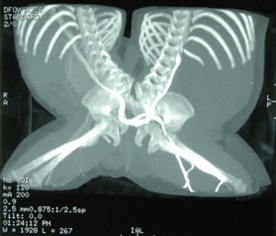
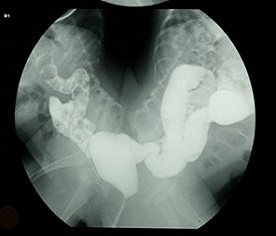
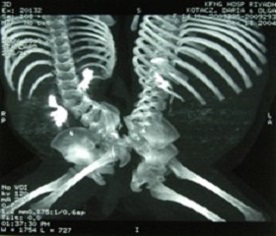
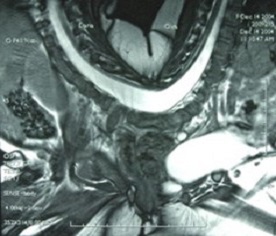
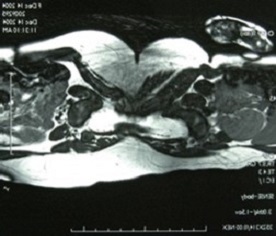
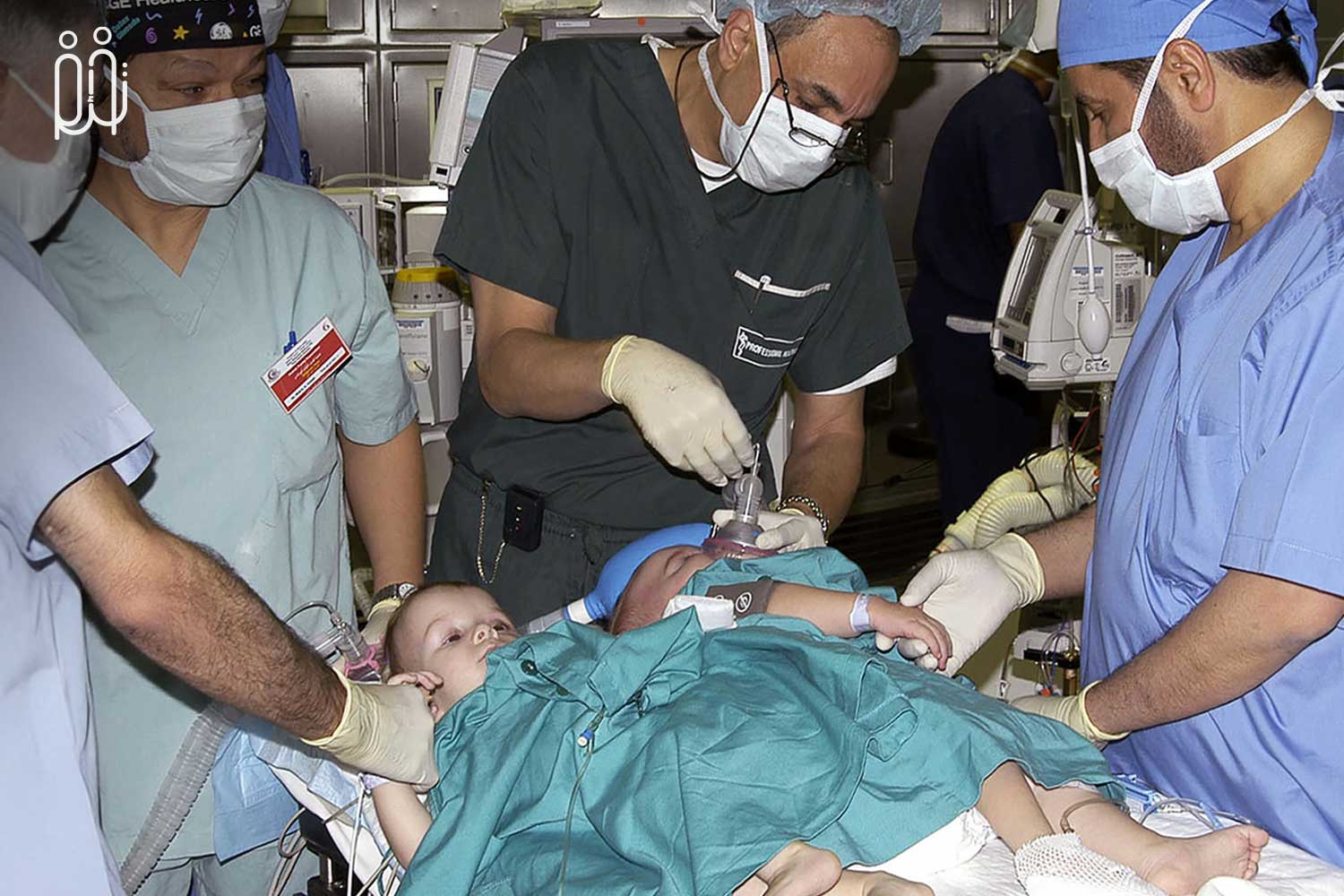
The case was certainly complex, and the surgical team was quite concerned about the possibility of weakness or paralysis in the lower extremities, and of a lack of anal control. The team eventually agreed on the possibility of separating the twins, with an up to 70% chance of success. All of the risks were explained in detail to the twins’ mother, who agreed that surgeons should move forward with the procedure.
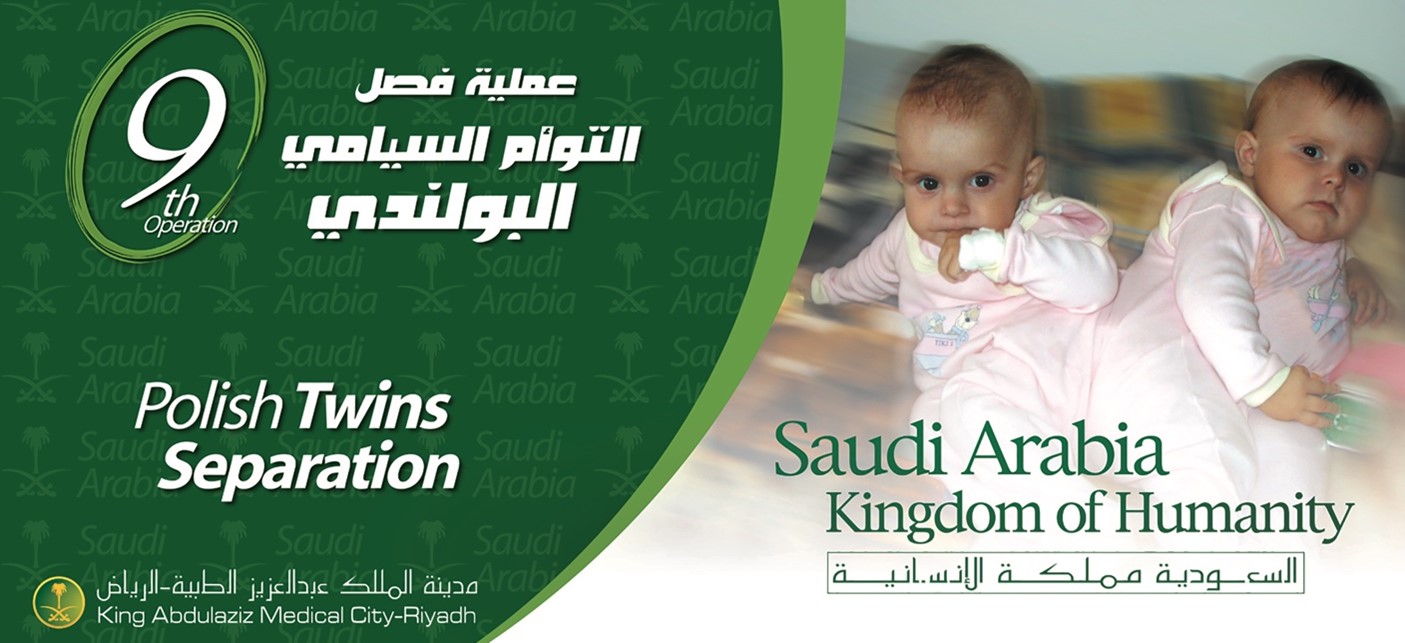
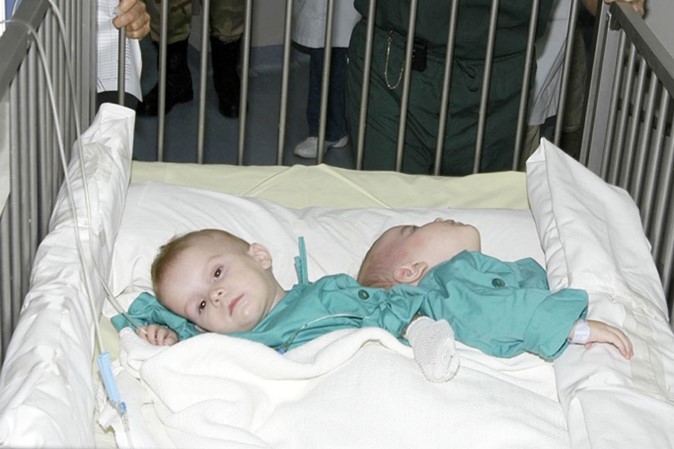
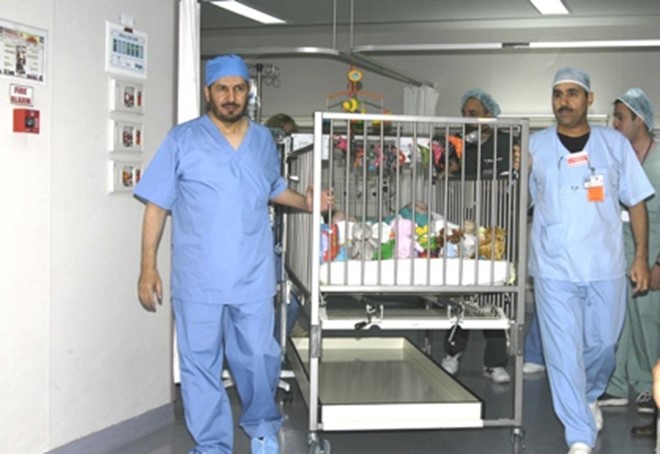
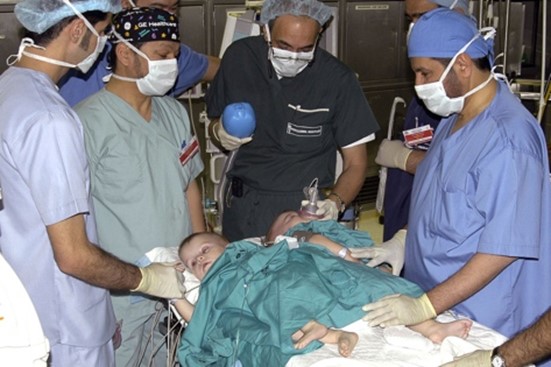
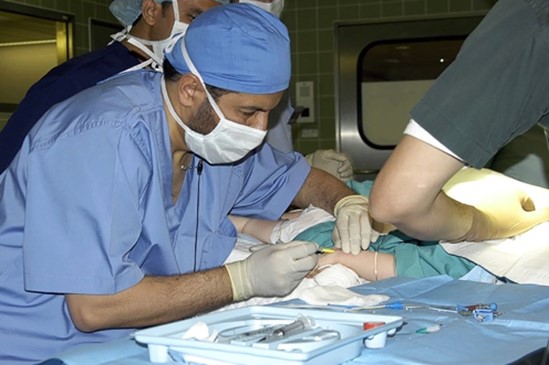
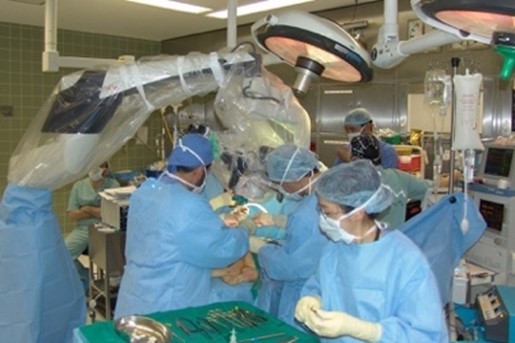
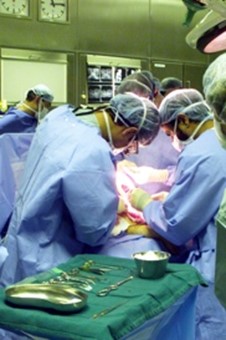
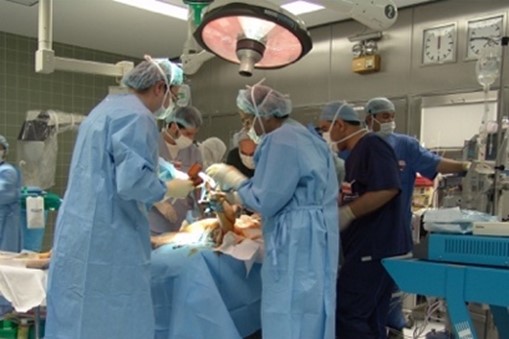
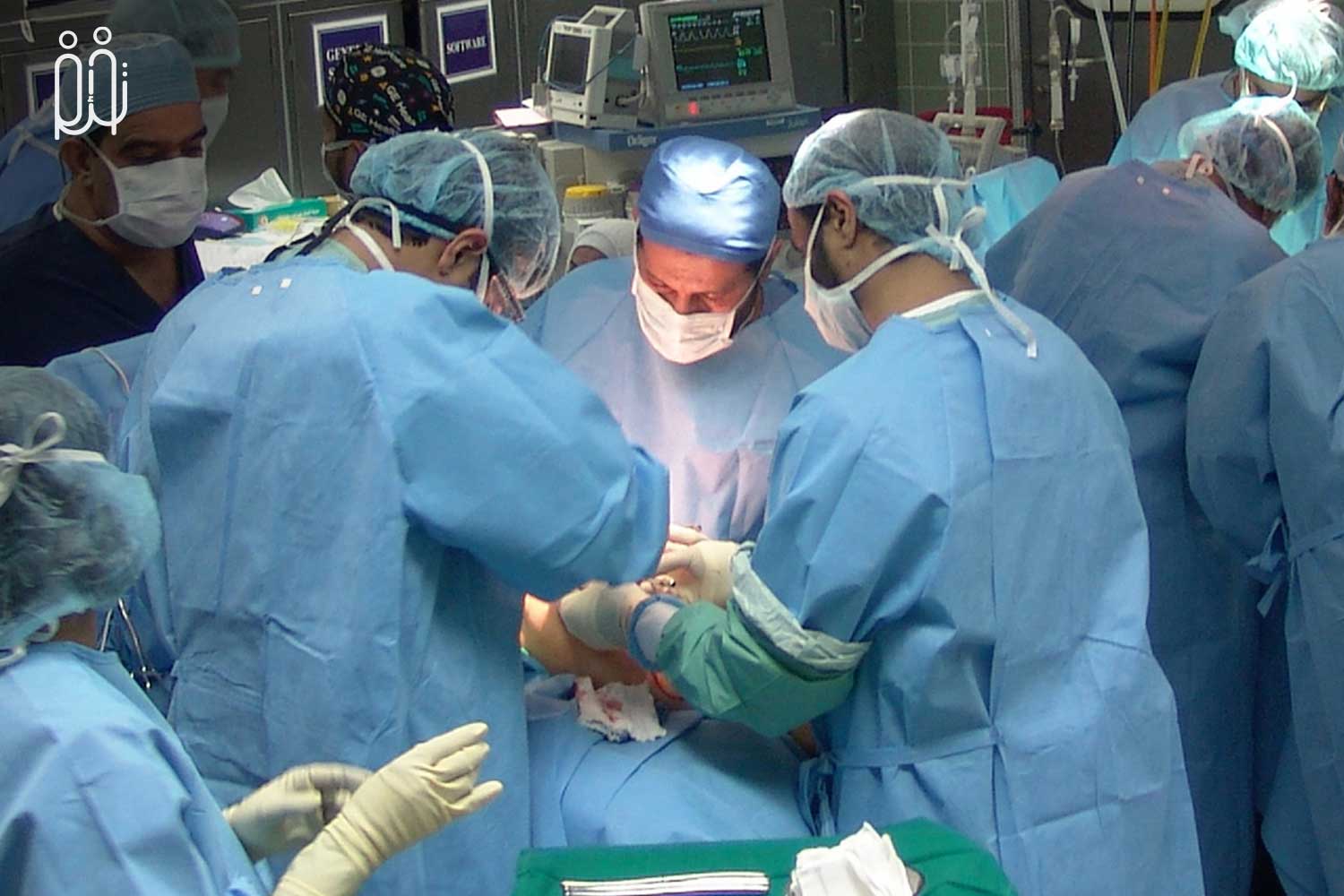
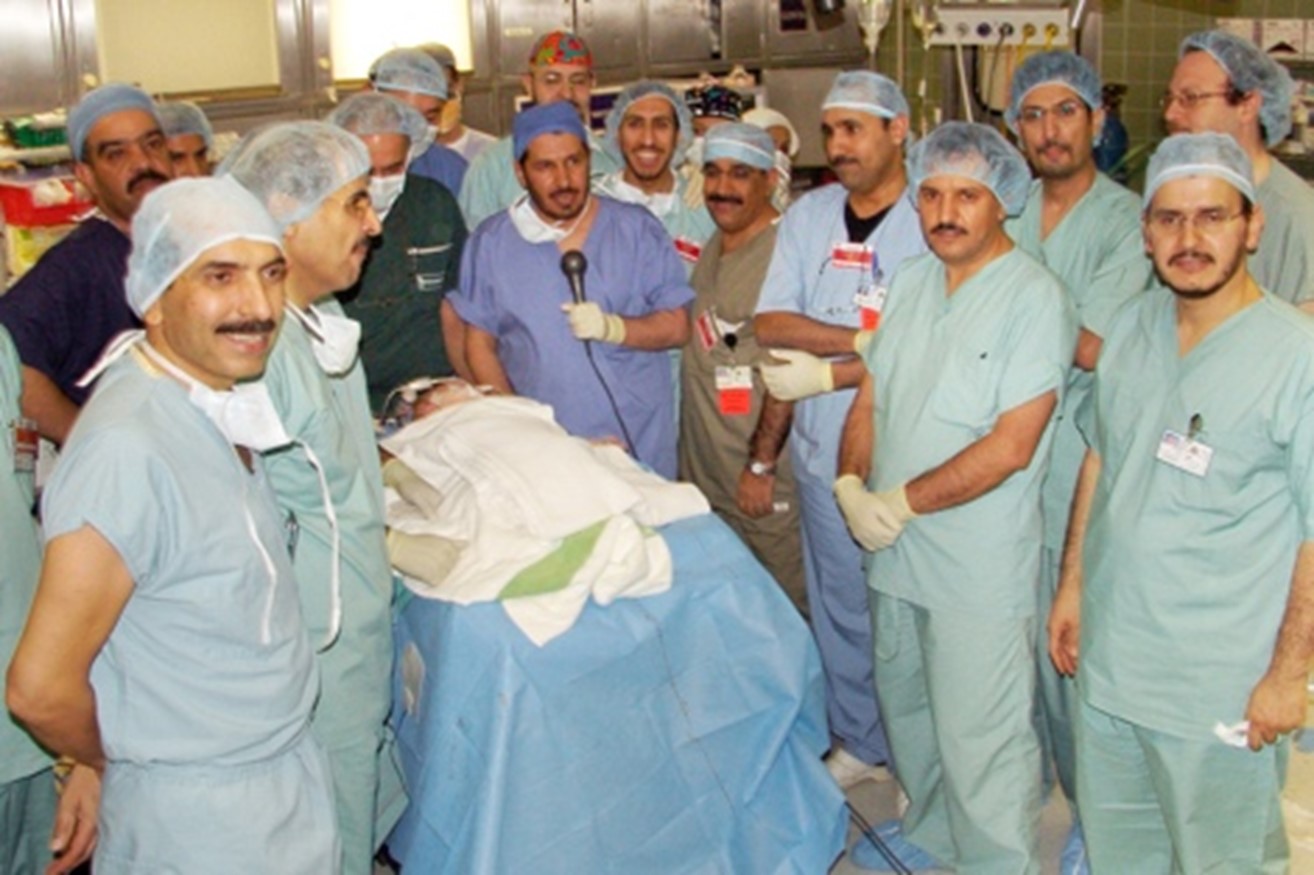
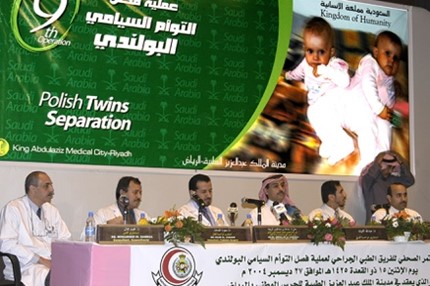
The separation took place on Monday, 3 January 2005. During the surgery, Wieslawa told reporters that “this day of the separation of the twins is the happiest event in my life…I am optimistic about the results.” The process took place over ten surgical phases, with specialist teams working for a total of 18 ½ hours. The event was live-streamed on television and on the Internet. Fifteen and a half hours after the surgery began, Daria was successfully separated from Olga, and the entire surgical team, along with everyone watching in person and remotely, expressed relief and elation that the procedure had gone so well.
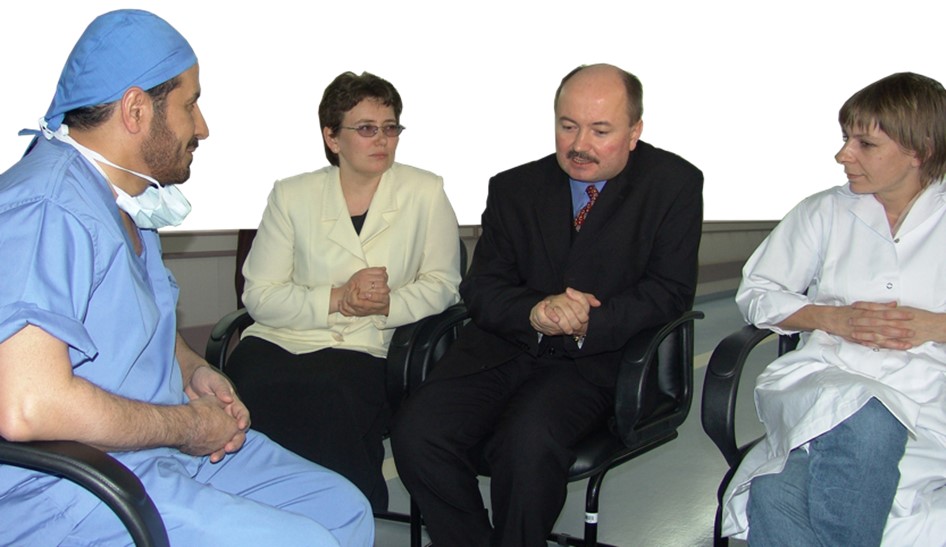
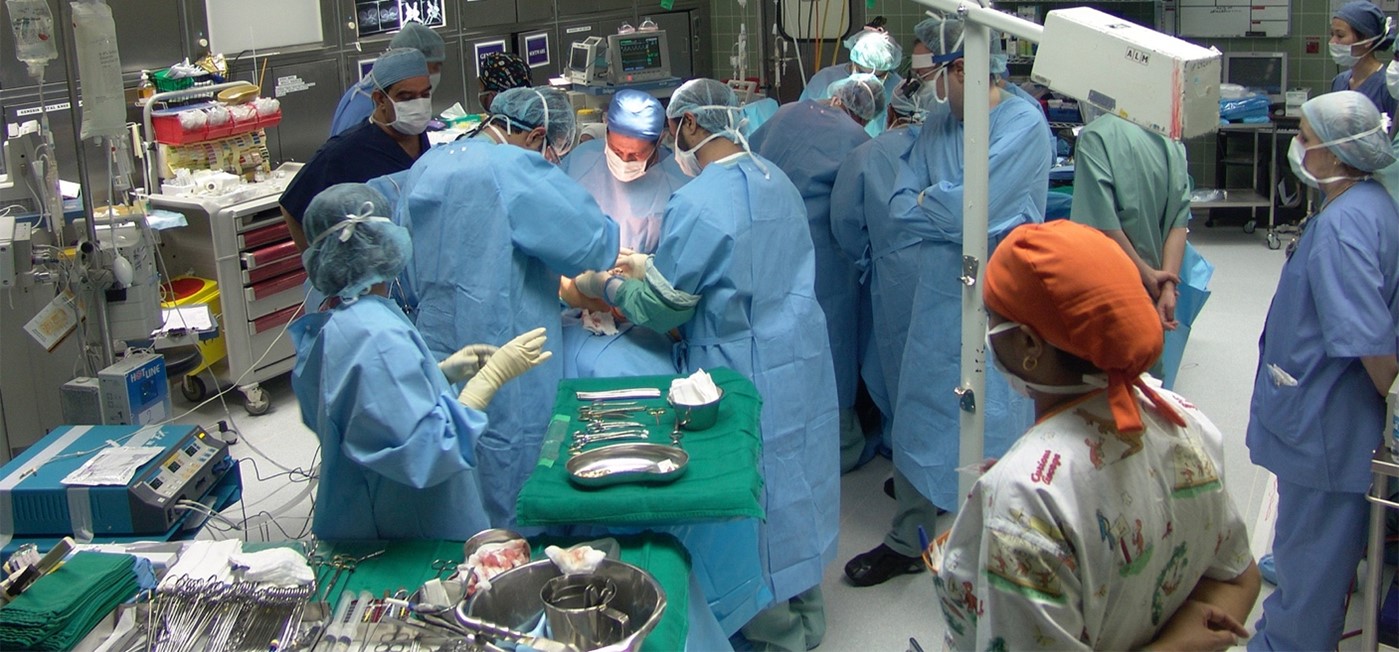
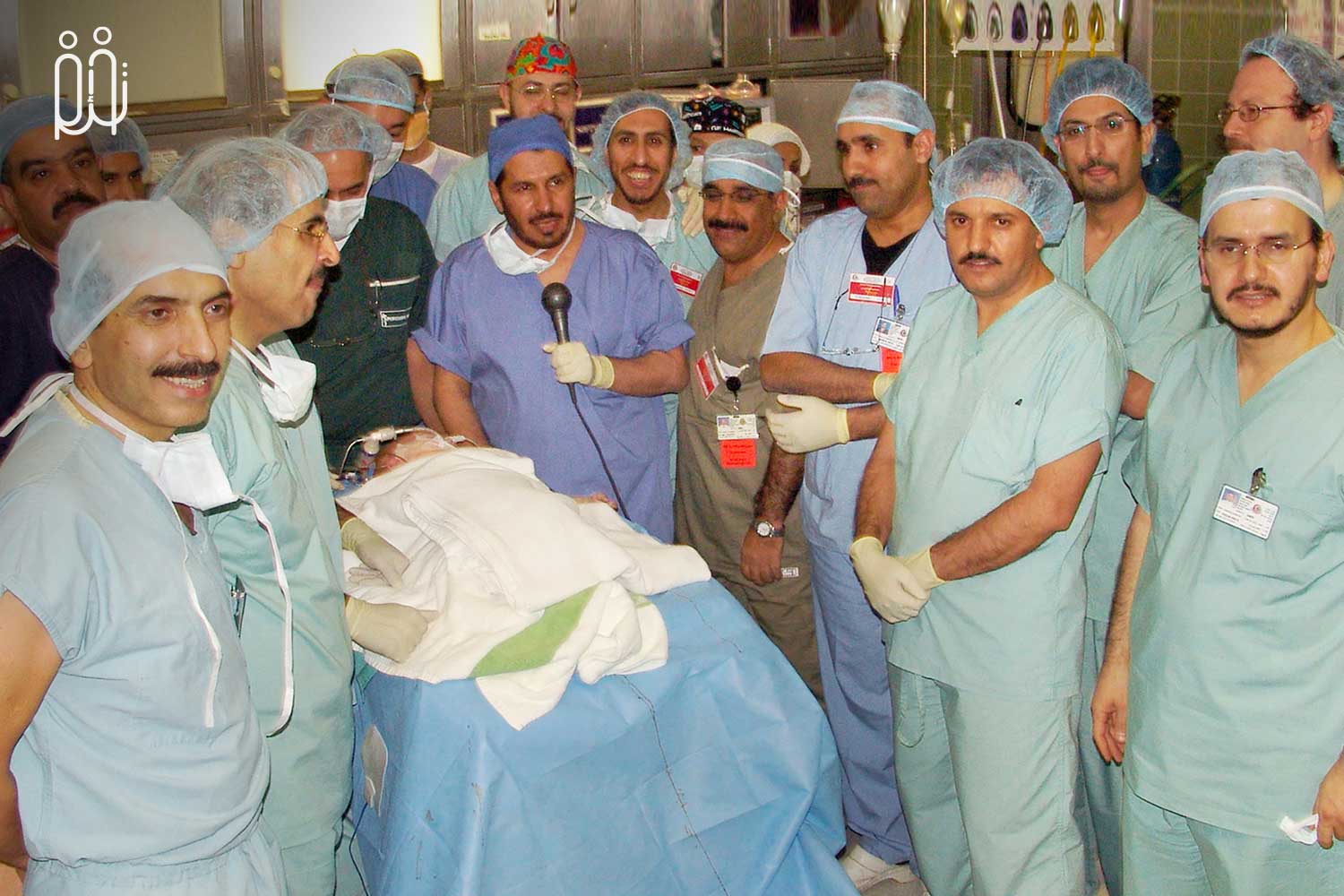
Three hours later, the girls’ organs were stabilized, and the procedure was complete. Wieslawa was the first to greet the surgical team when they emerged from the operating theatre; the team also received a call from the Kingdom’s leadership to congratulate them on an excellent outcome for a complicated case.
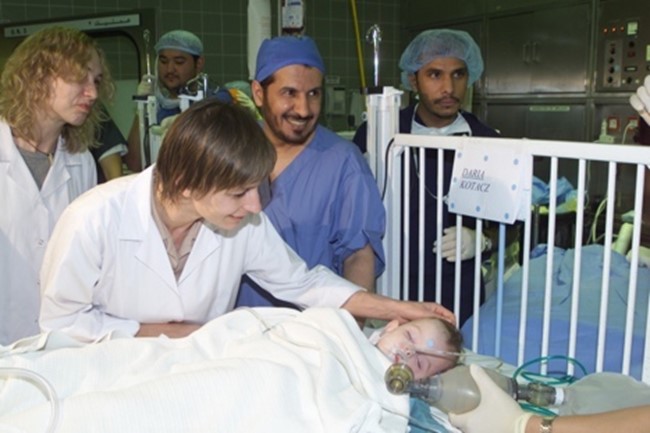
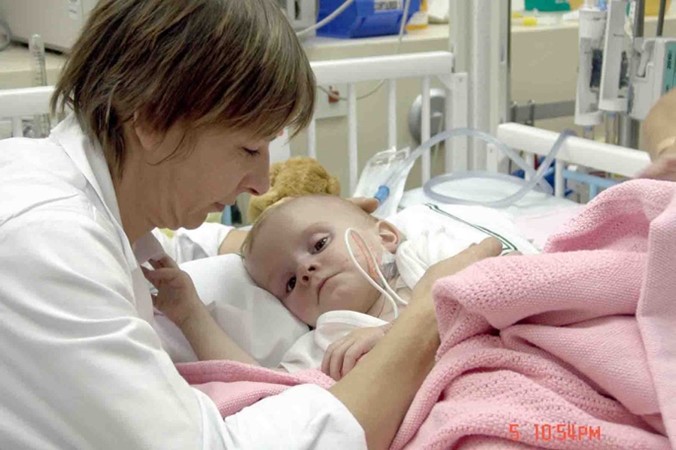
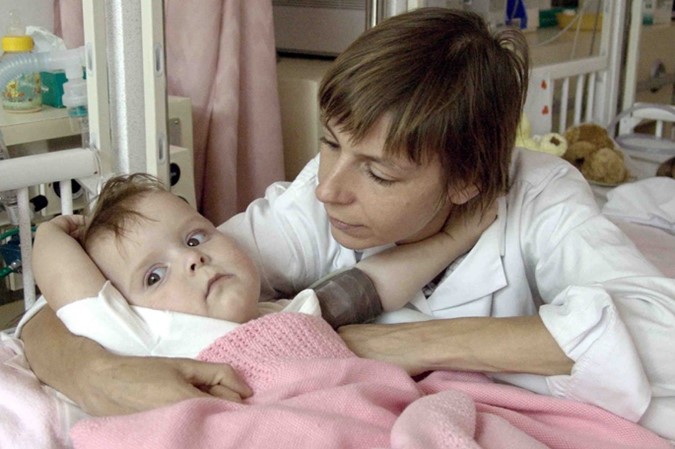
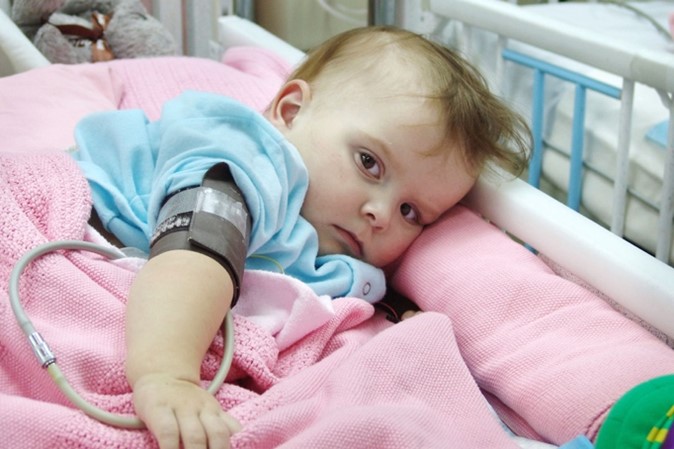
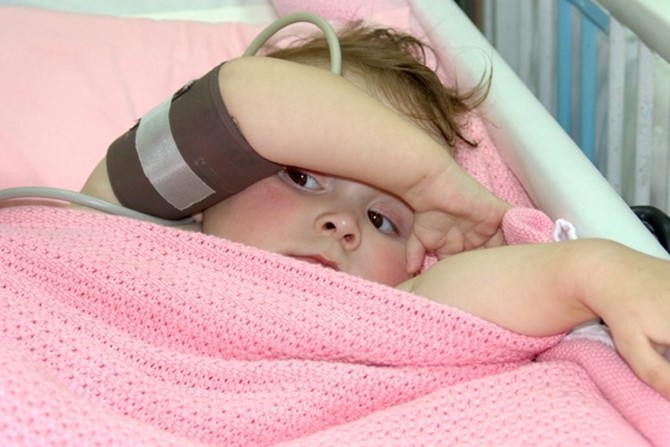
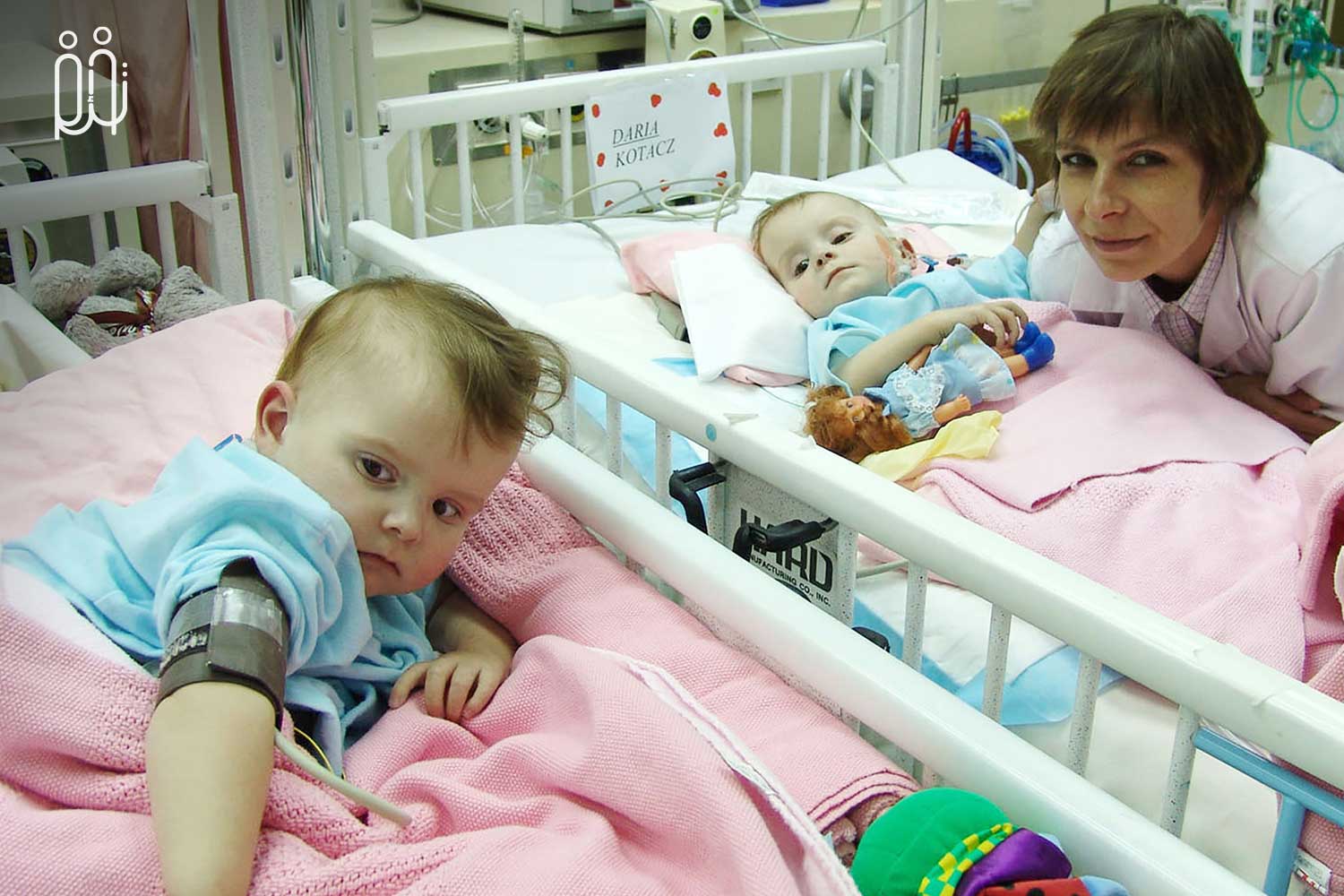
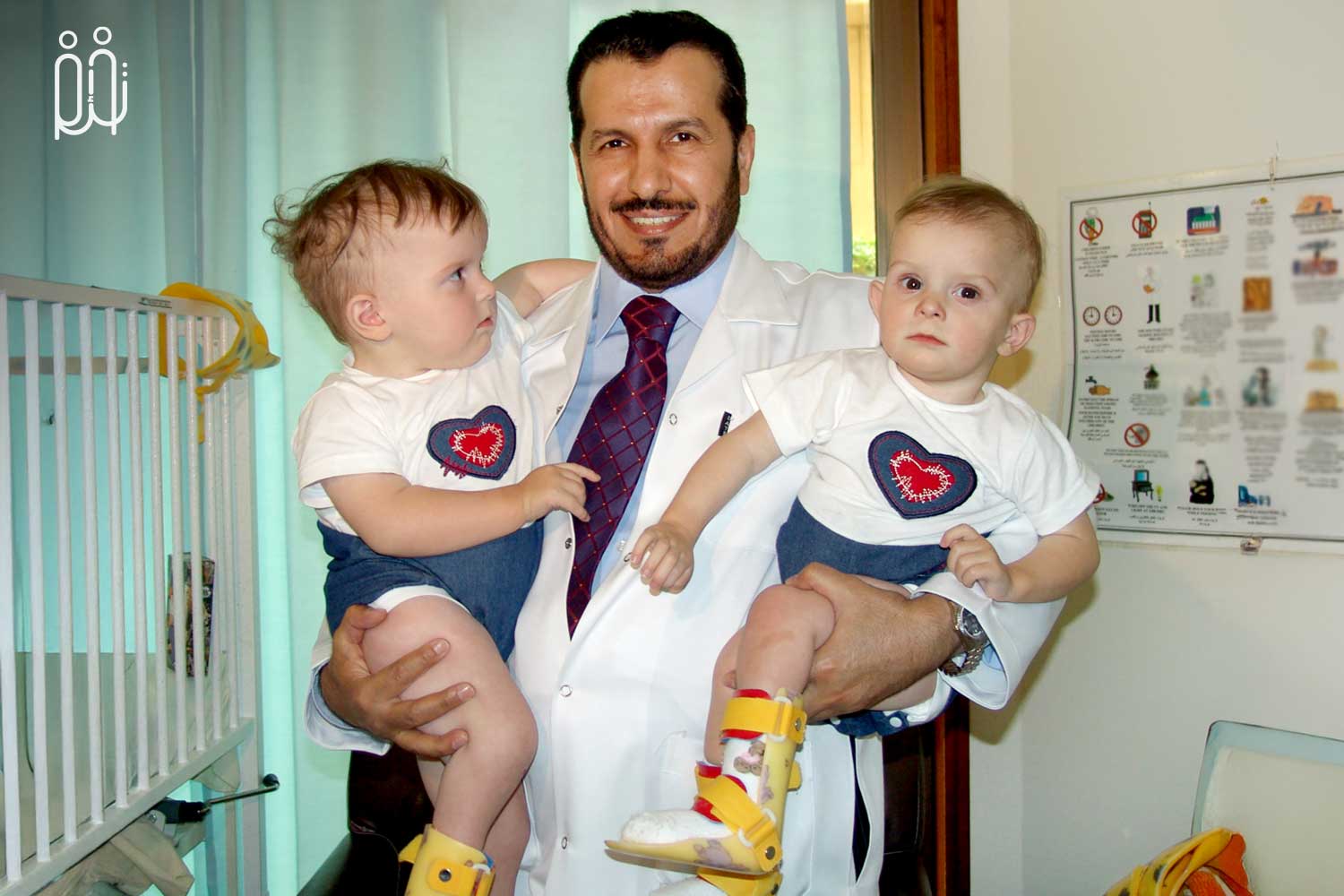
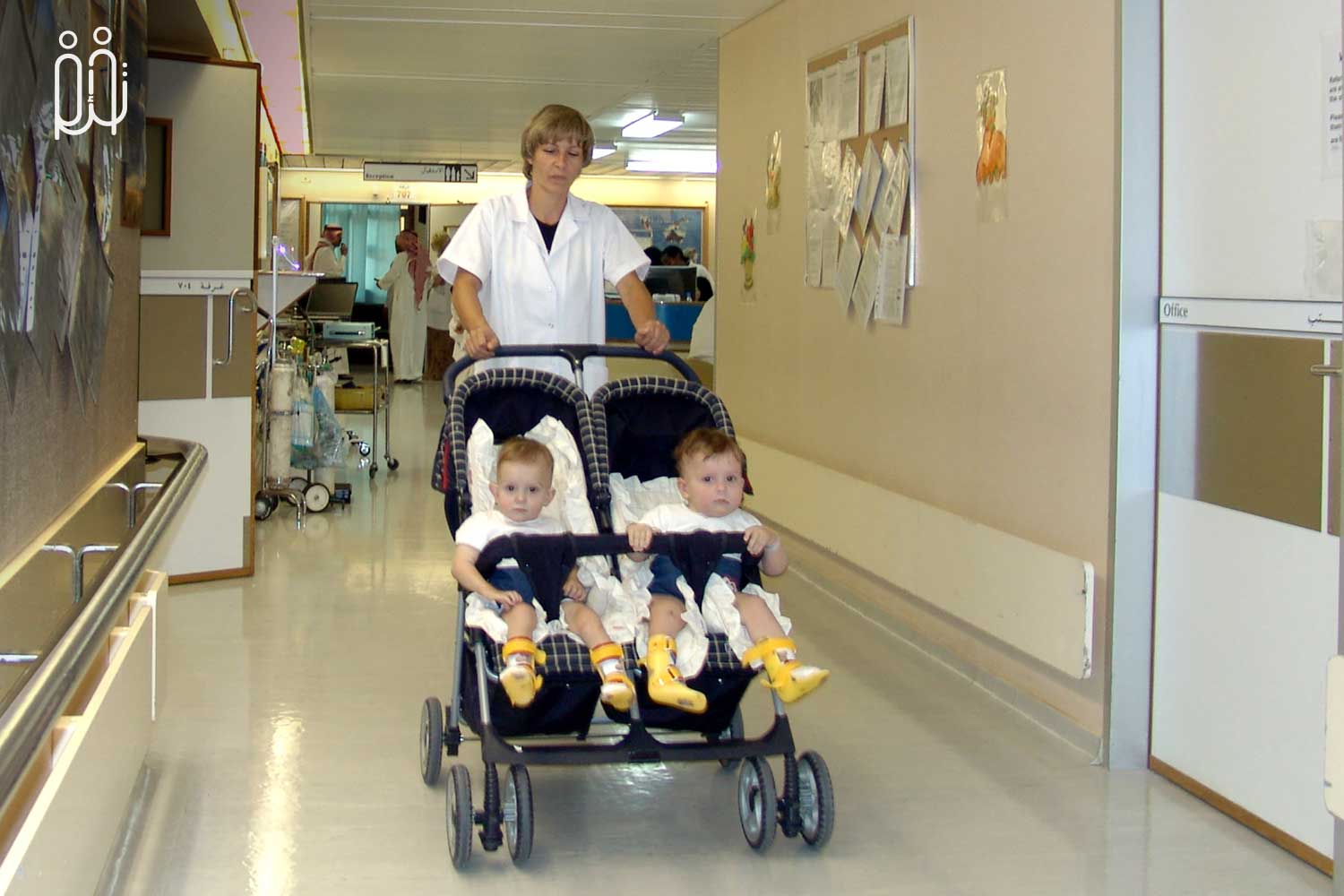
Olga and Daria were transferred to the hospital’s Pediatric Intensive Care Unit, where they stayed for 12 days; they were then moved to a regular pediatric ward to begin their rehabilitation.
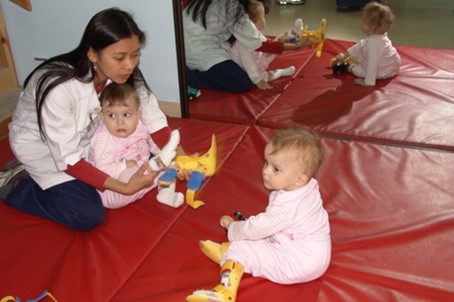
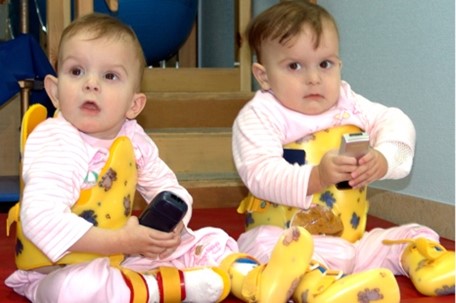
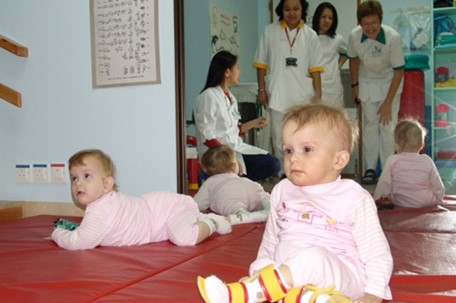
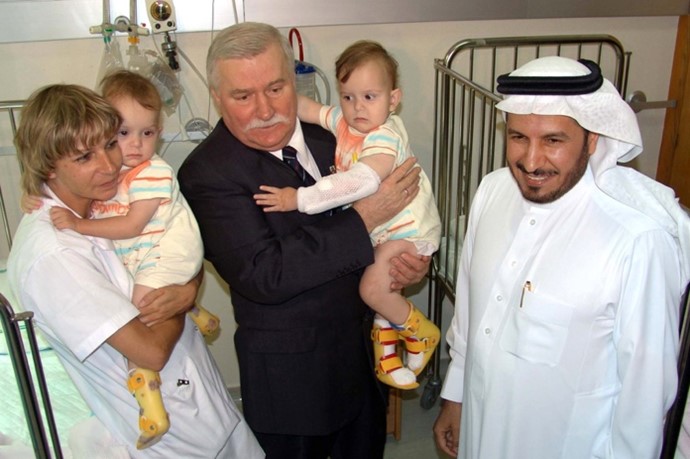
On 20 March 2005, HE Lech Walesa, the former President of Poland, visited Olga and Daria at King Abdulaziz Medical City – National Guard – Health Affairs.
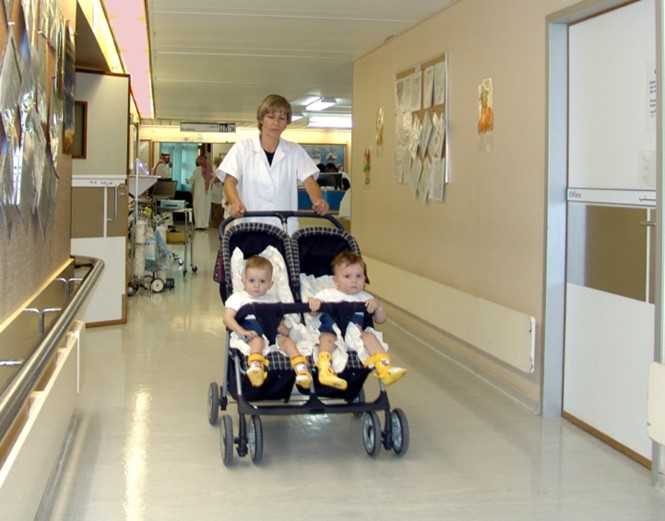
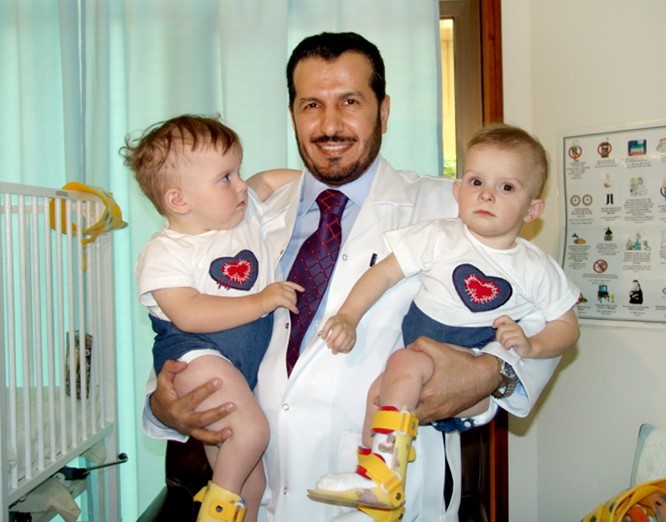
Several months after they were successfully separated, Olga, Daria and their mother returned to Poland to continue regular follow-up care with doctors there. Bilateral relations were further enhanced between Saudi and Poland in honour of the successful outcome for these two special babies, and millions of Poles became interested in learning more about the Kingdom. For some time after the girls returned home, articles about Saudi Arabia regularly appeared in the Polish media.
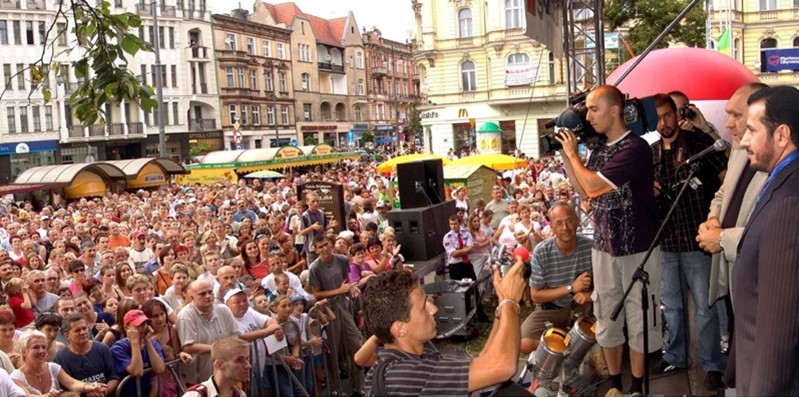
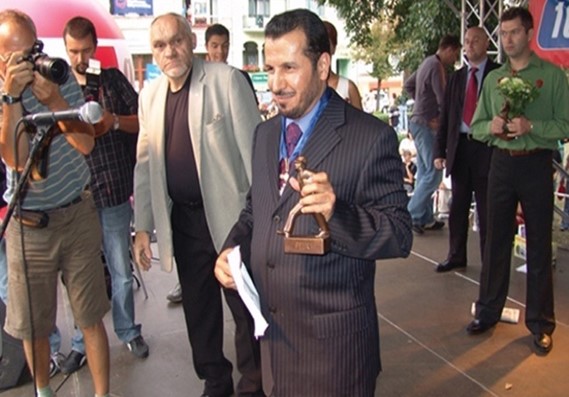
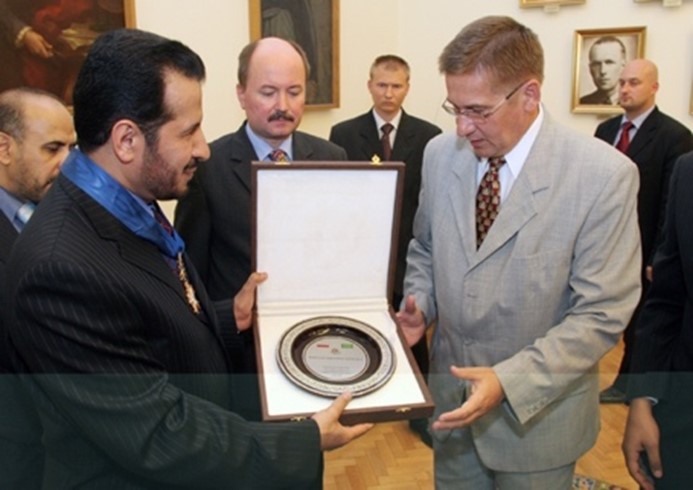
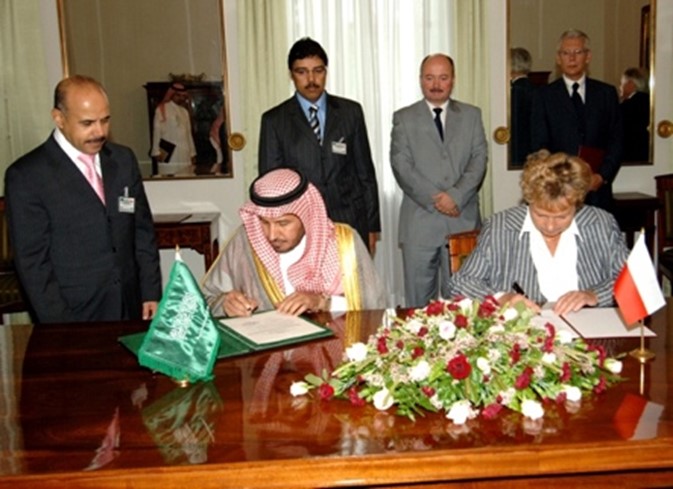
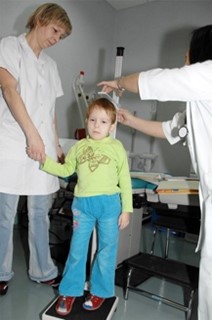
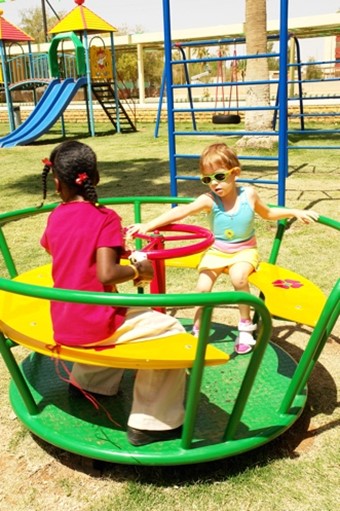
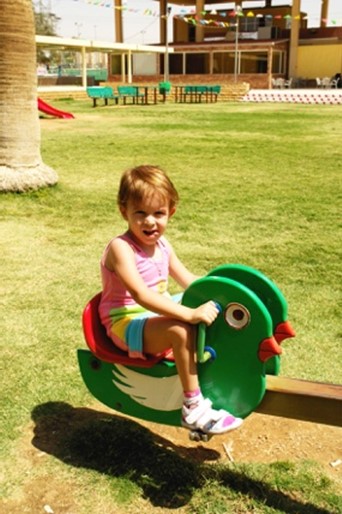
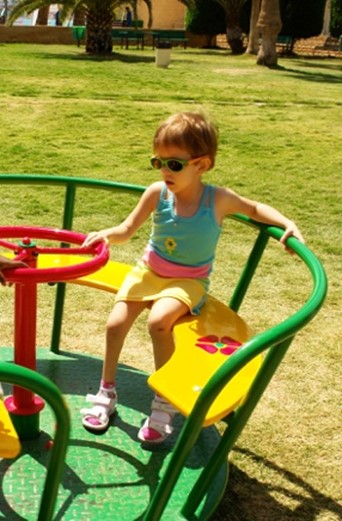
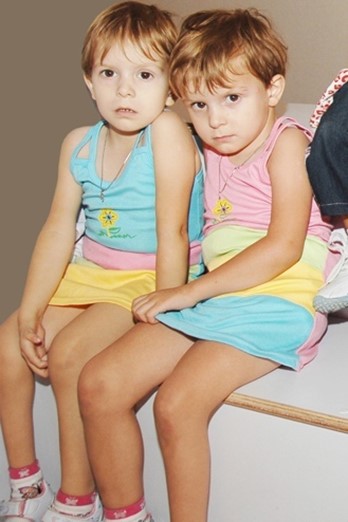
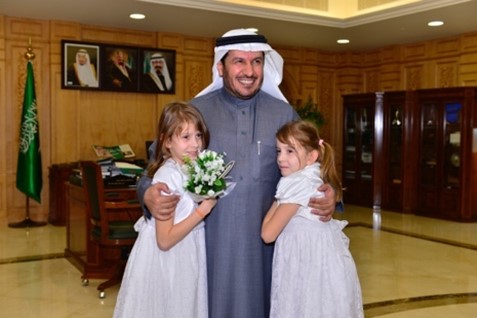
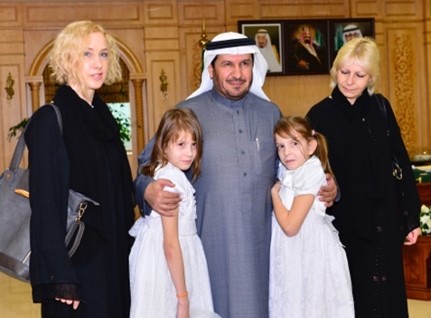
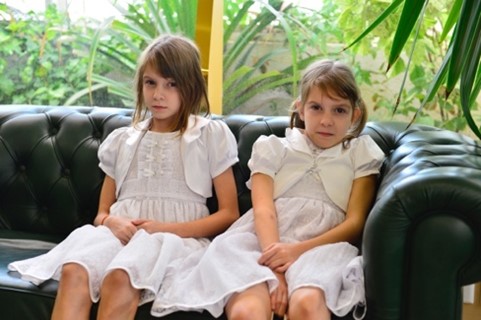

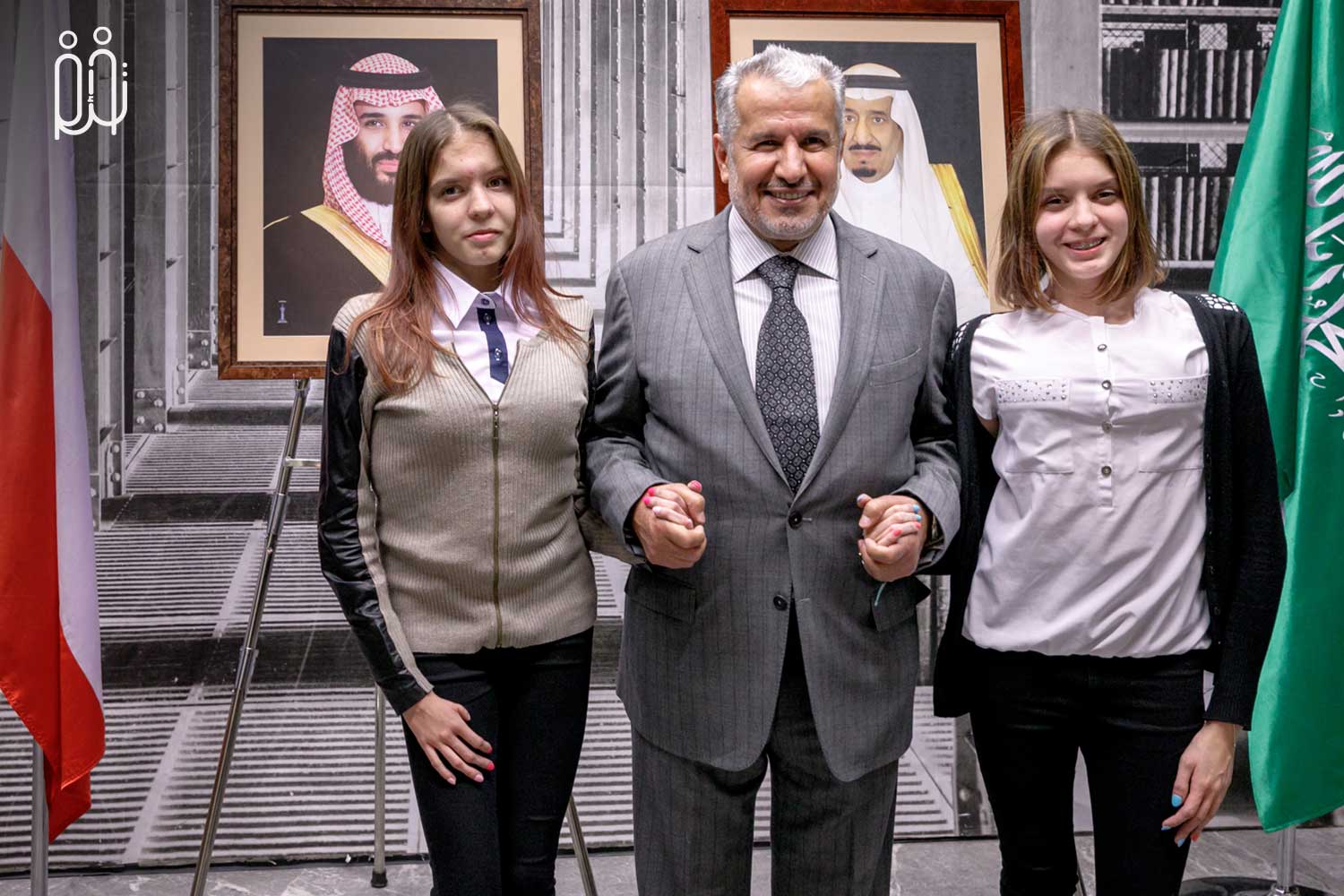
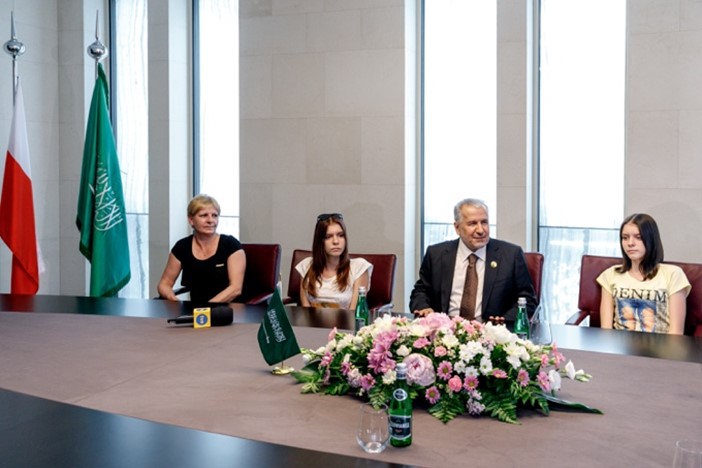
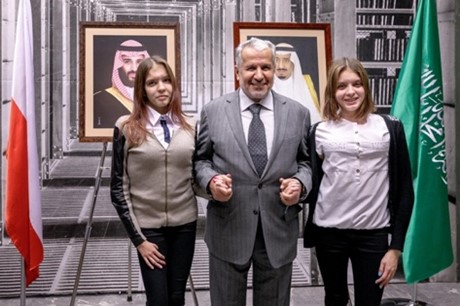
Dr. Al Rabeeah in his capacity as Supervisor General of King Salman Humanitarian Aid and Relief Centre, met the girls and their mother in Poland during his official visits in 2018 and 2019 respectively.
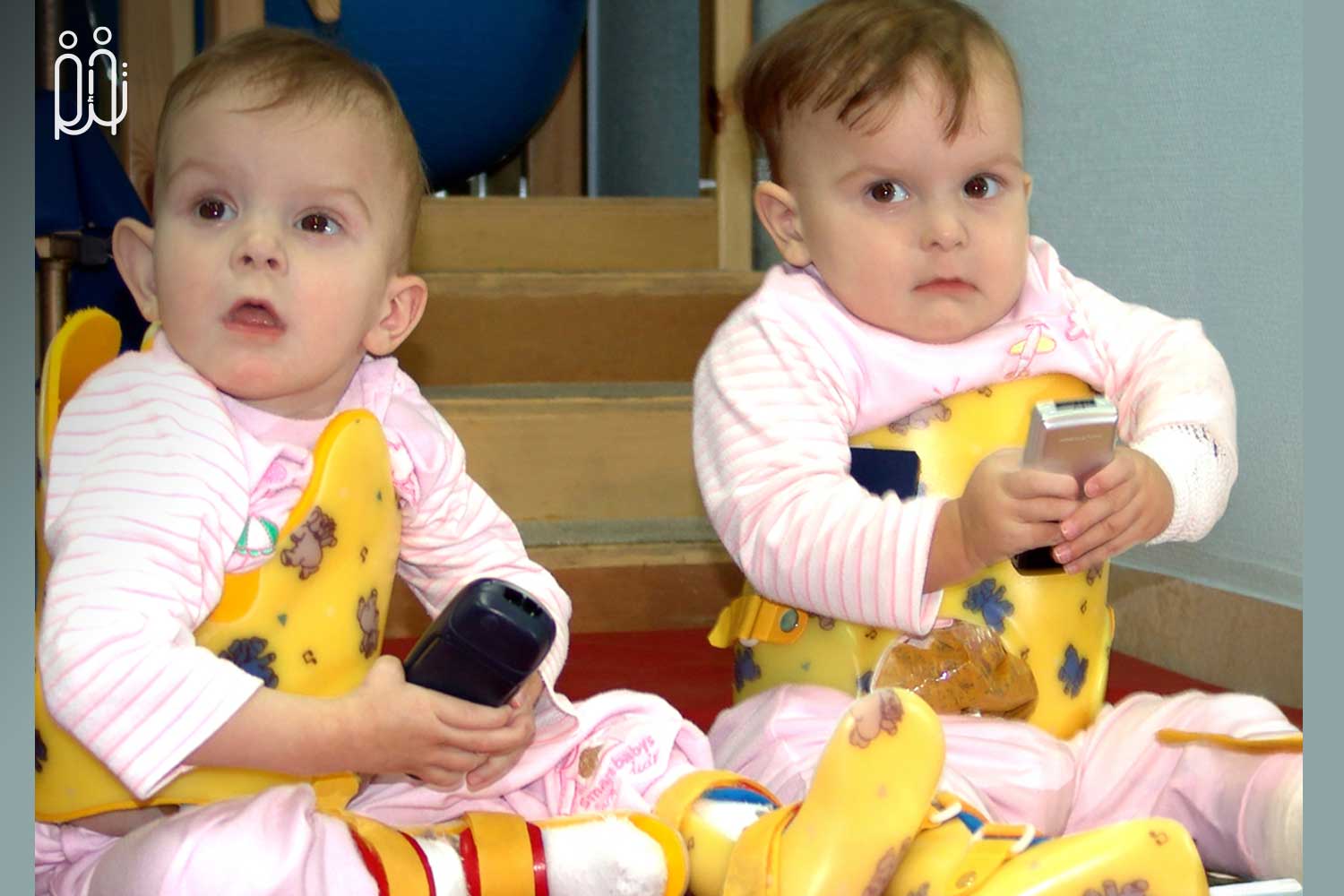
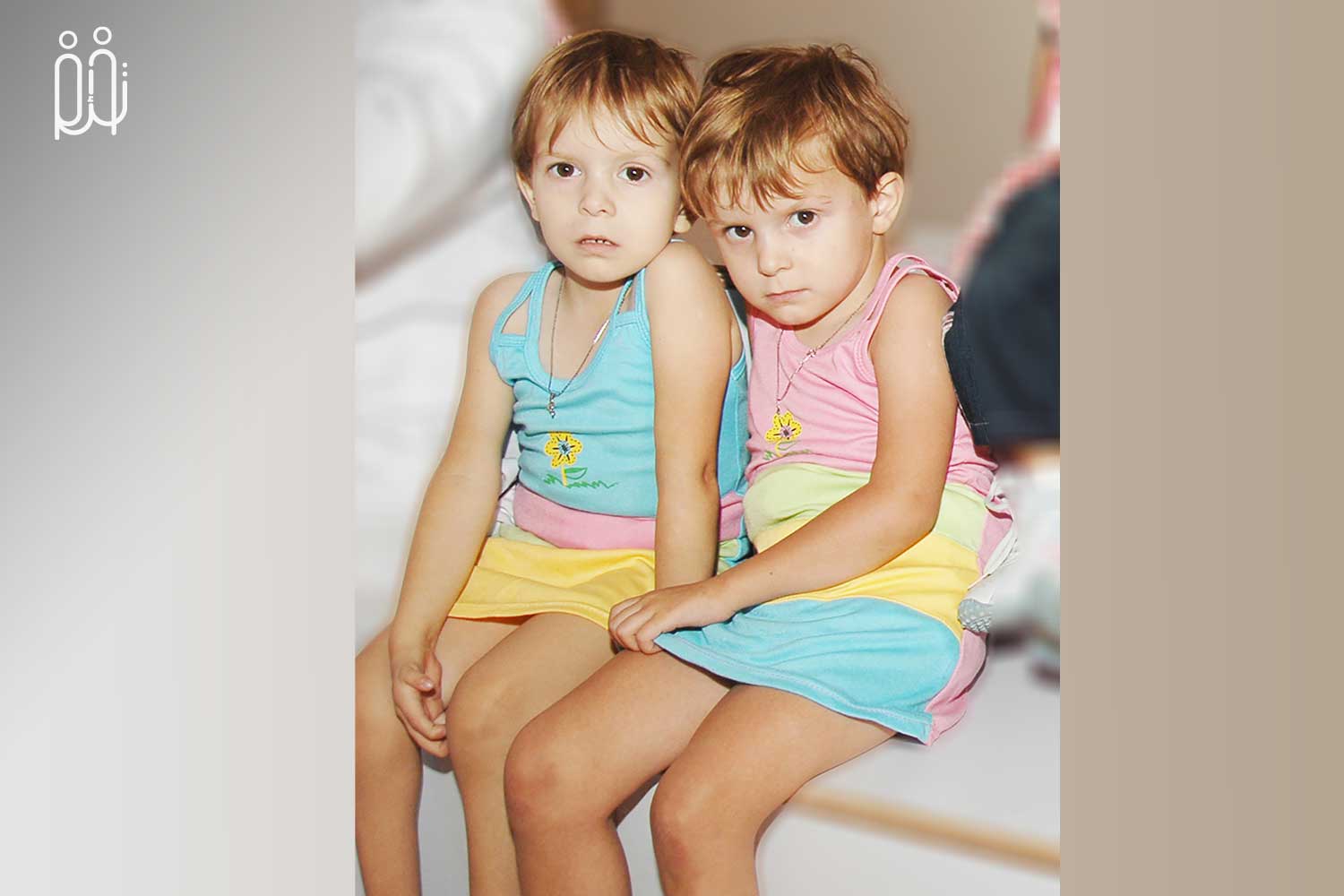
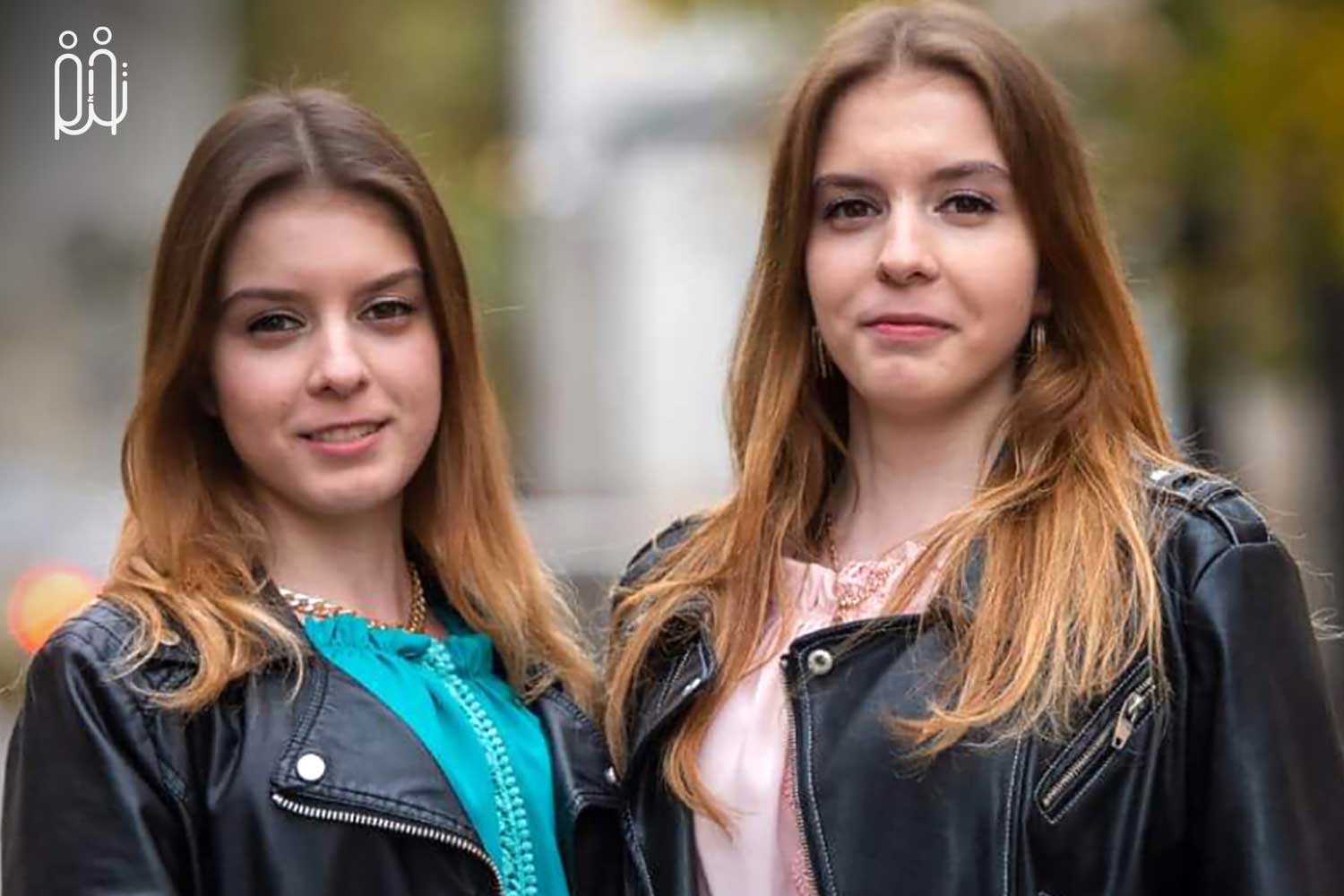
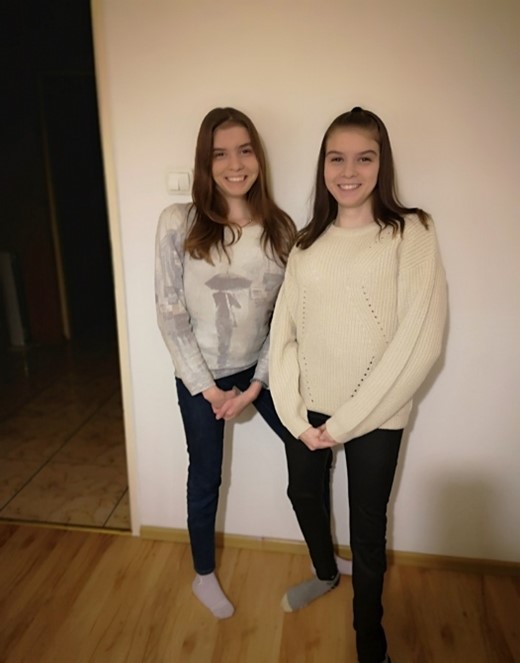
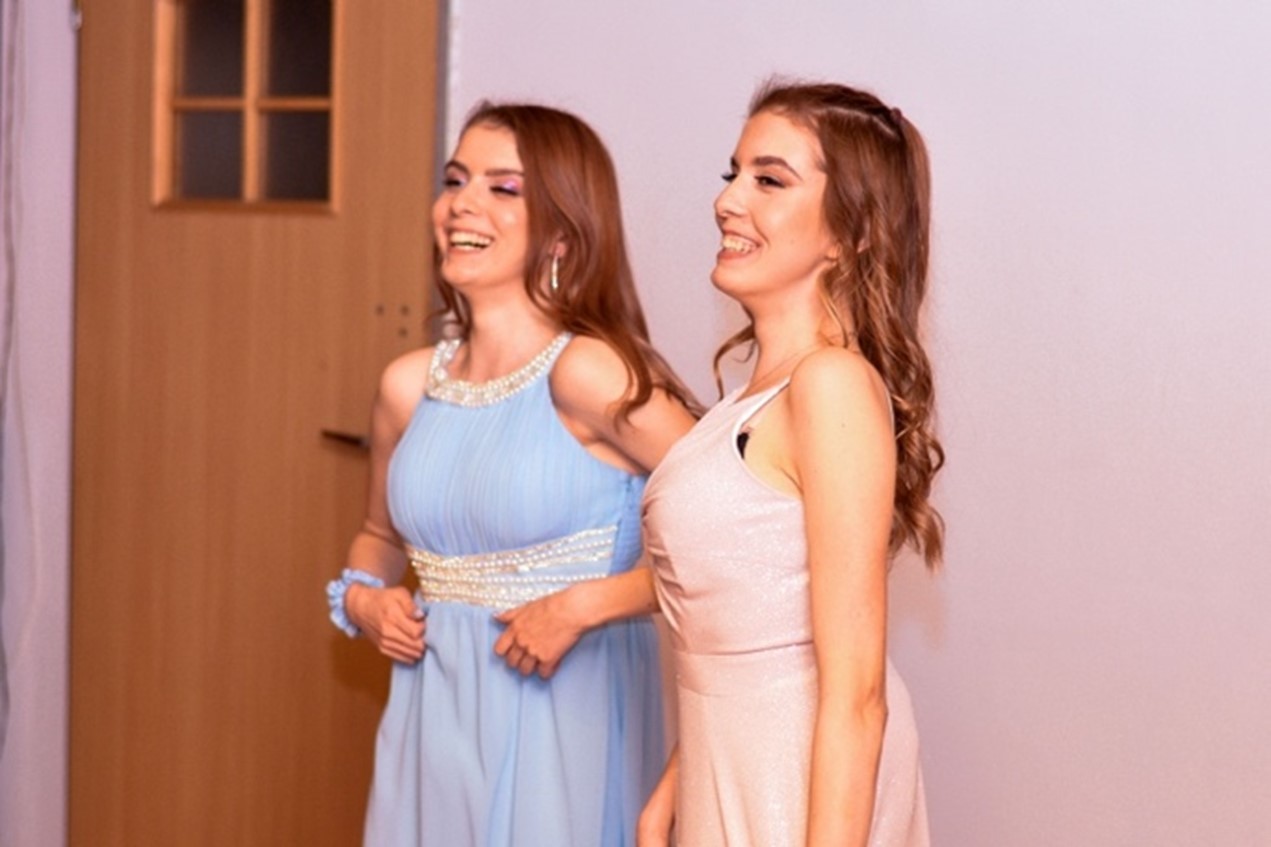
The girls’ mother is in regular communication with Saudi Conjoined Twins Programme staff, and often sends photos to let the team know how the girls are doing. Olga and Daria are now teenagers, and although they still receive treatment for some of the ongoing health effects resulting from their separation, they maintain a good overall quality of life, and are moving forward with their lives as young adults.

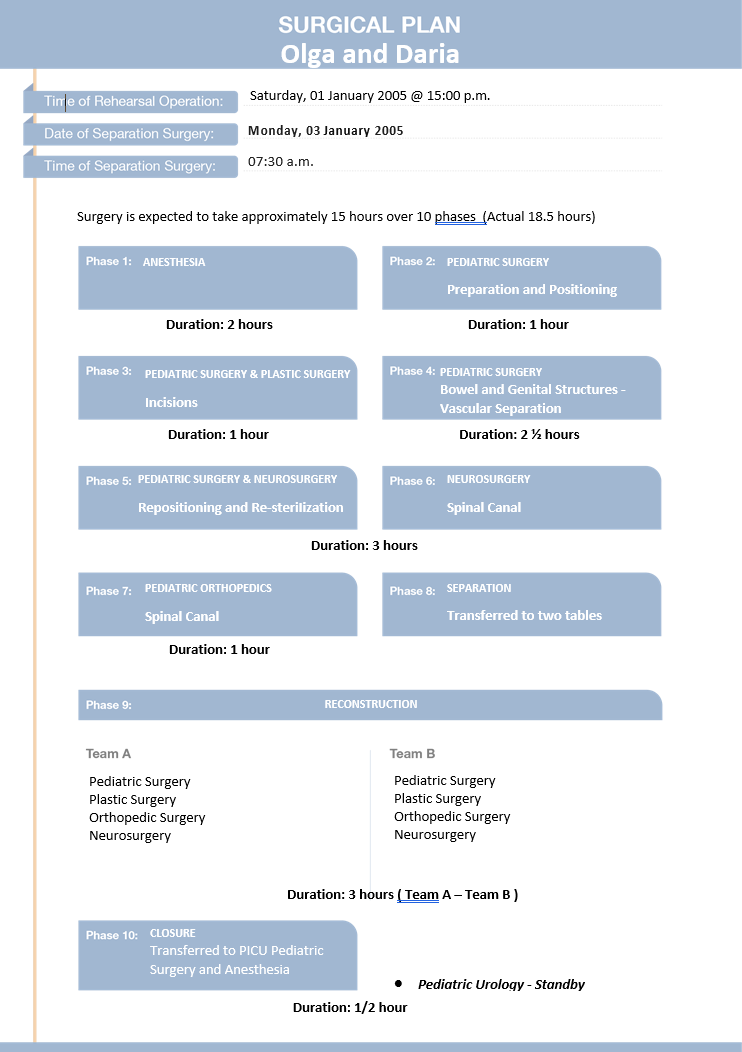
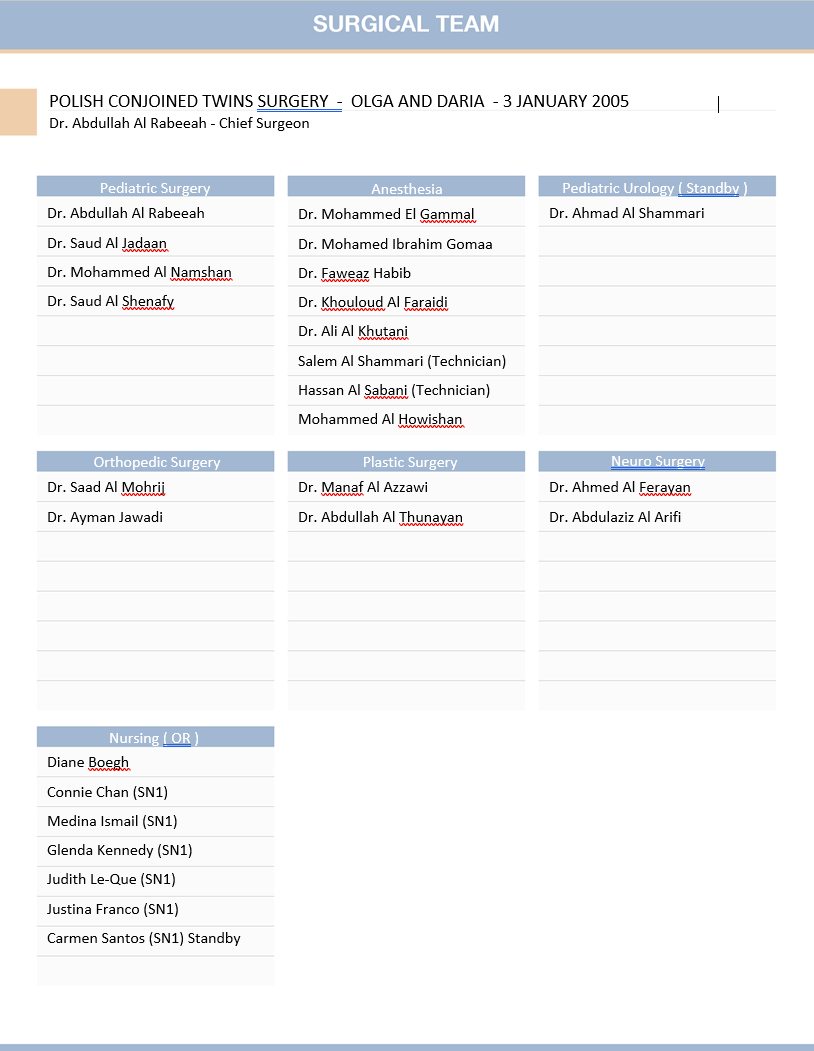
Case #11 (Olga and Daria)

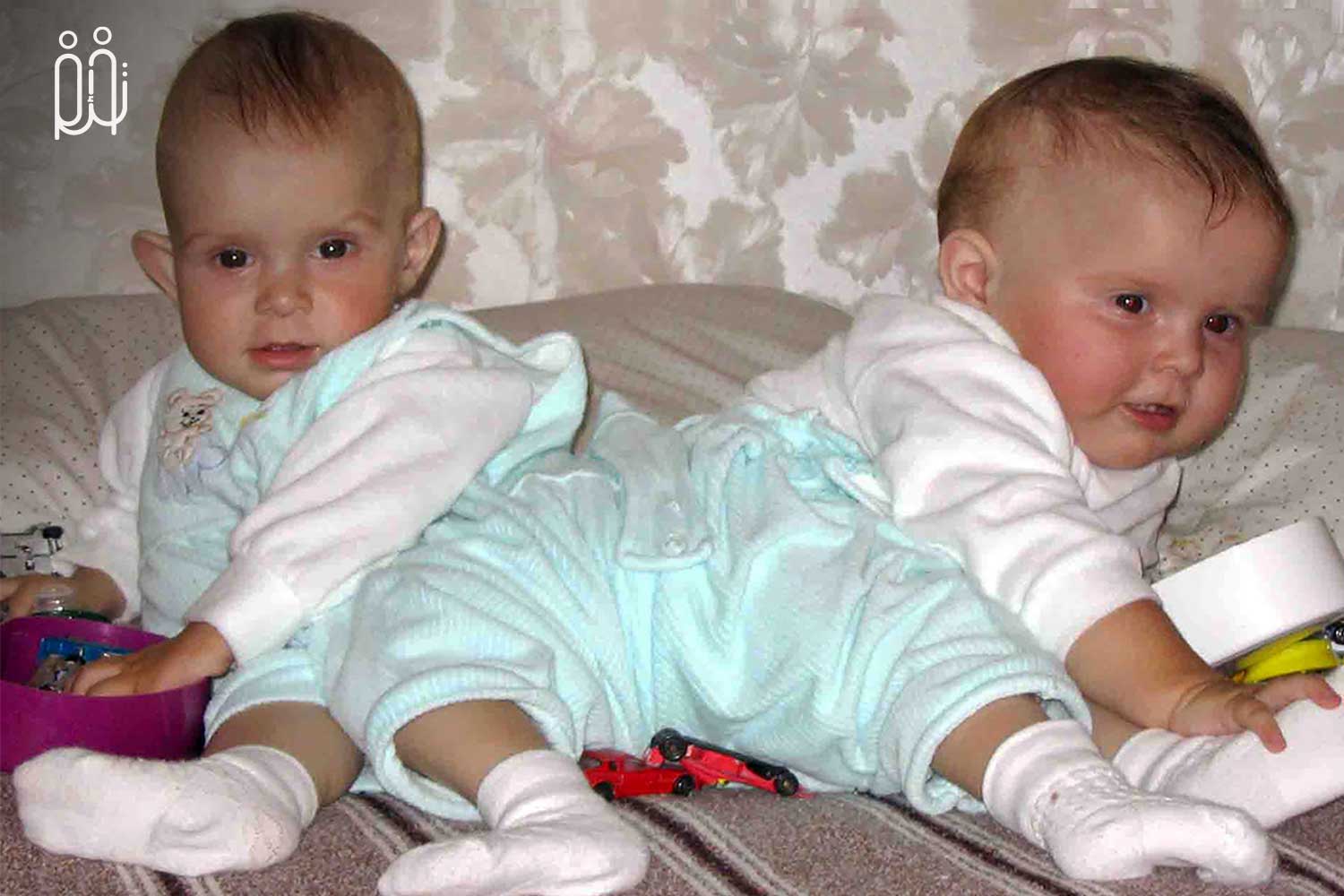
Before Surgery
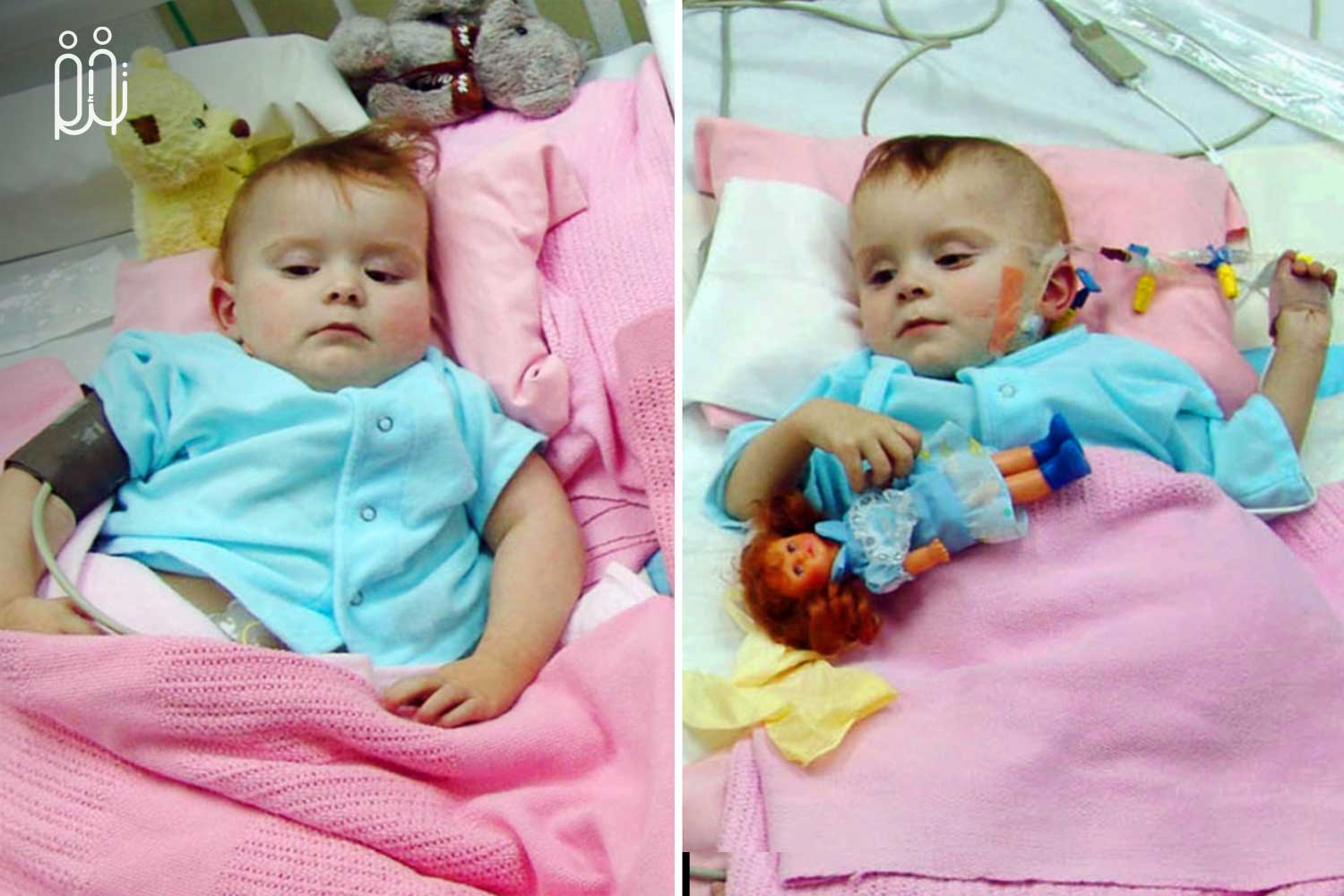
After Surgery